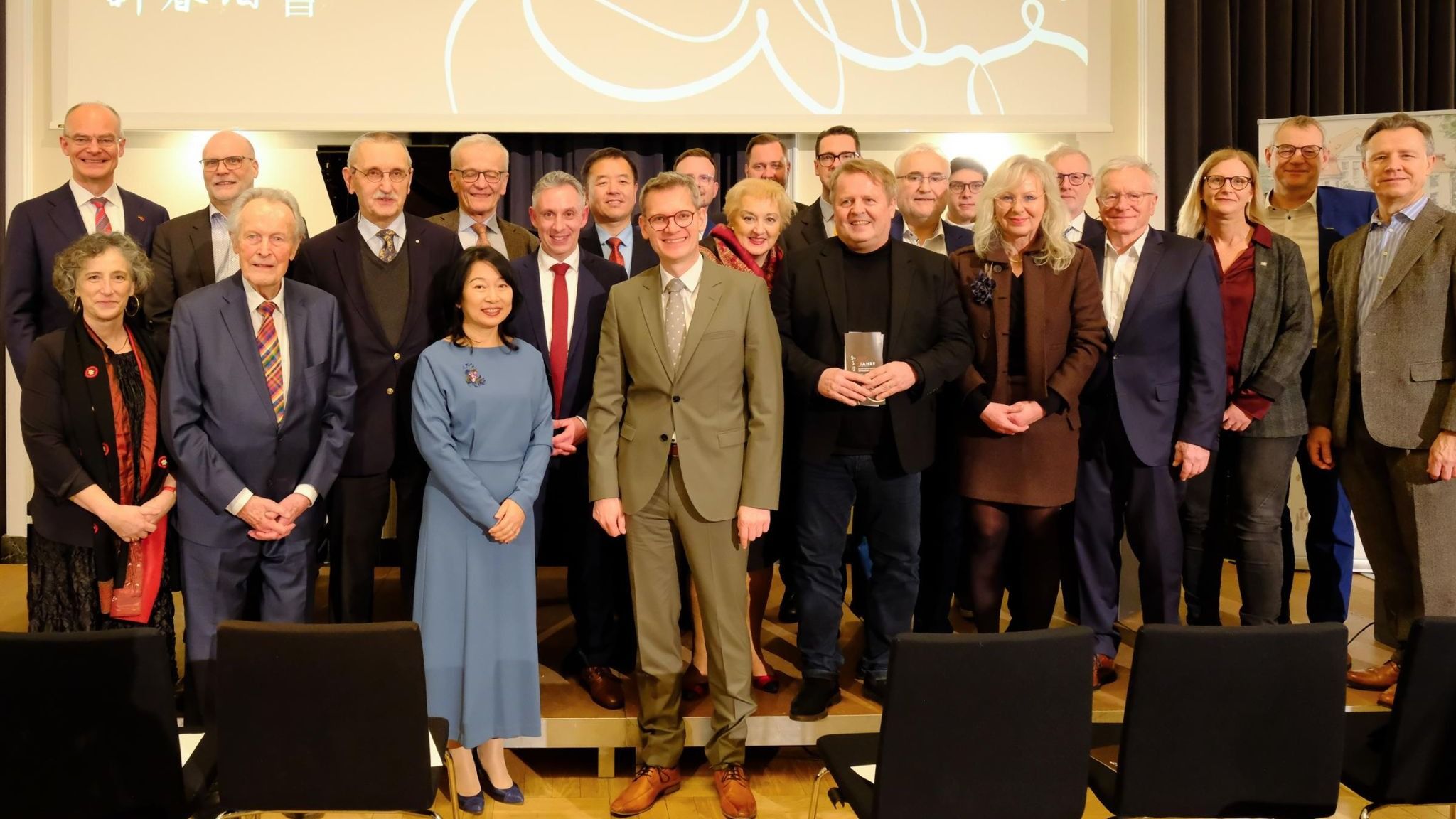
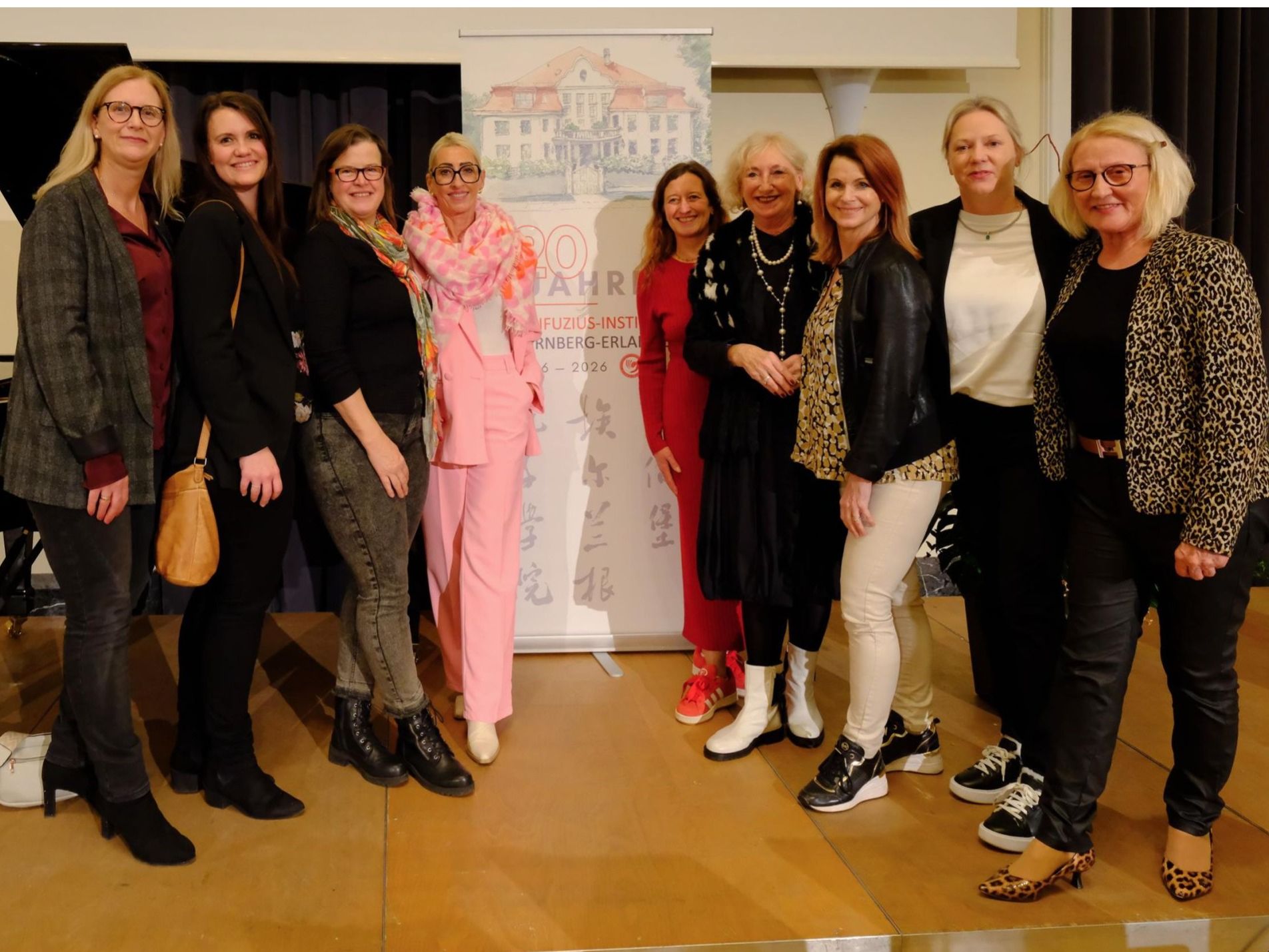
The Confucius Institute at Nuremberg-Erlangen hosted a Lunar New Year reception on February 25 at the German Transport Museum in Nuremberg, drawing more than 200 guests from government, business, education, and cultural sectors. The event welcomed Qiu Xuejun, Chinese Consul General in Munich; Peter Daniel Forster, chair of the Franconia district council; Bavarian state legislators Petra Guttenberger and Jochen Kohler; and representatives from both Nuremberg and Erlangen city administrations, along with local cultural and academic leaders.
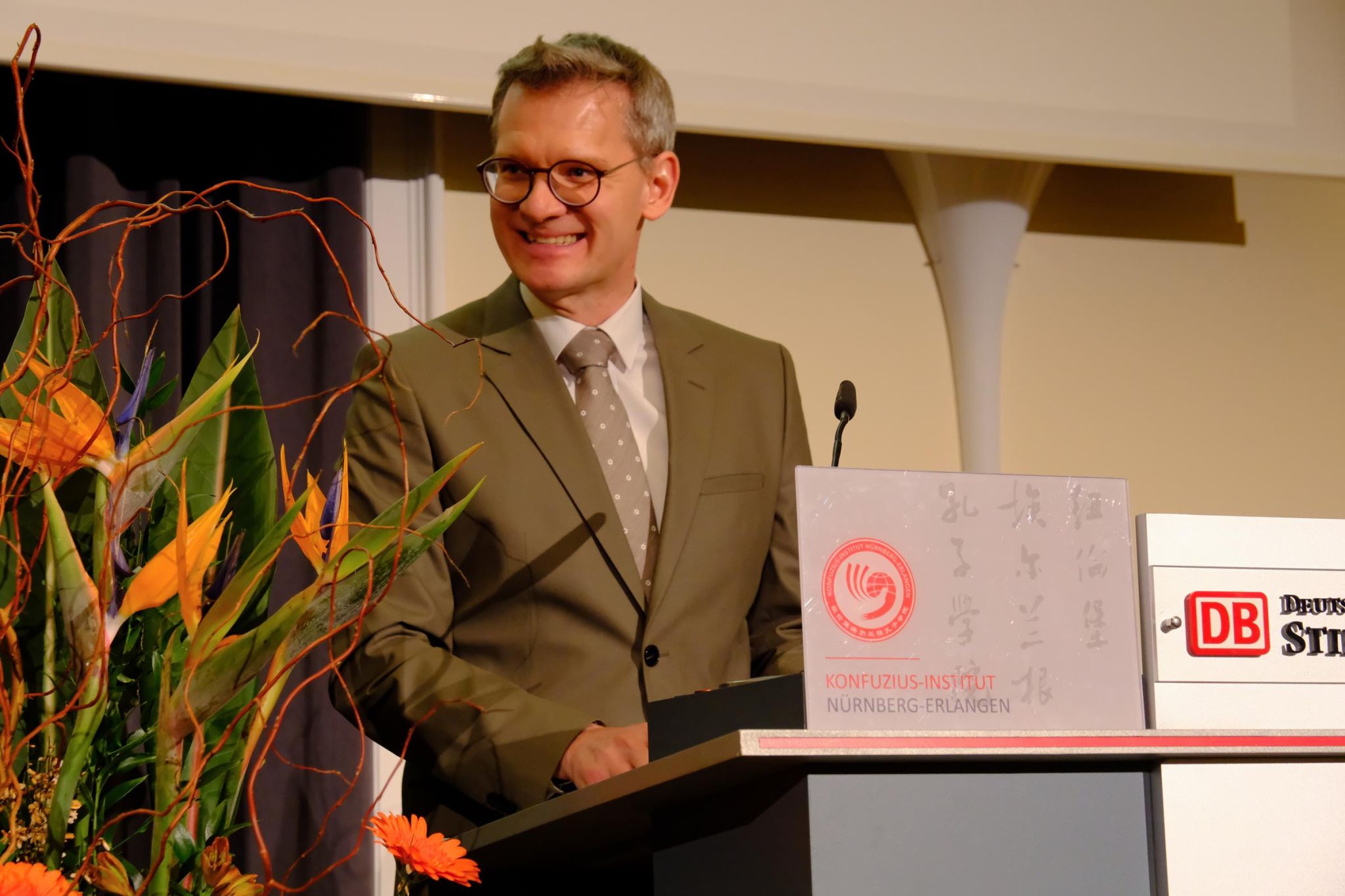
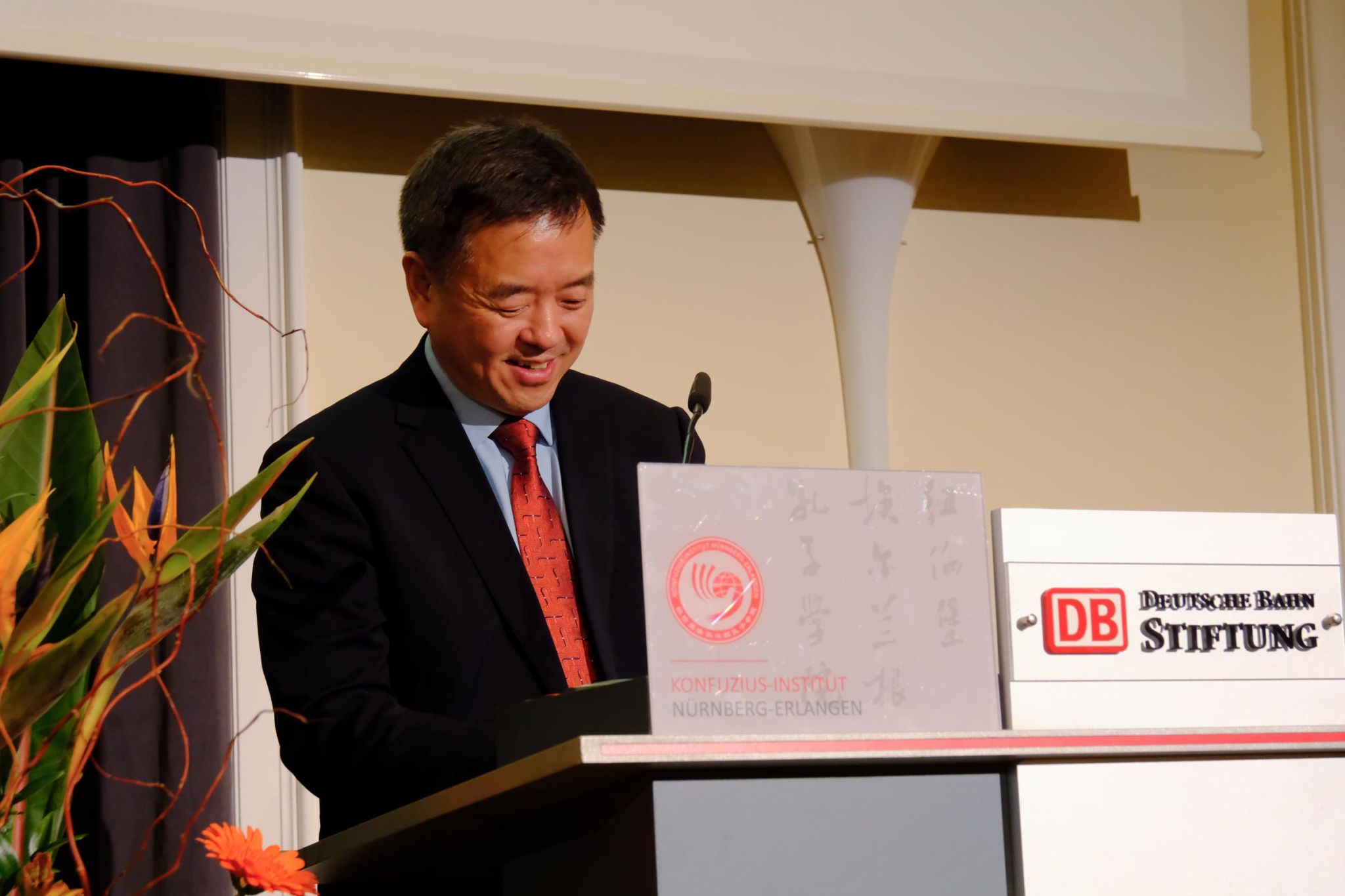
Dr. Oliver Götze, director of the German Transport Museum, opened the evening with welcoming remarks, noting the symbolic resonance of gathering to celebrate the New Year in a venue that embodies historical connection and progress. Consul General Qiu extended holiday greetings to guests and commended the Confucius Institute’s two decades of work in international Chinese language education and cultural exchange. He observed that while the Transport Museum chronicles connections forged during the industrial age, the Confucius Institute represents the convergence of cultures and ideas. He encouraged the Institute to continue serving as a bridge between nations and as a vital platform for dialogue and civilizational exchange. Christoph Böhmer, representing Nuremberg’s mayor Marcus König, emphasized that city-level cooperation provides a pragmatic and stable foundation in an increasingly complex global landscape, positioning the Confucius Institute as a crucial node in that network of cooperation.
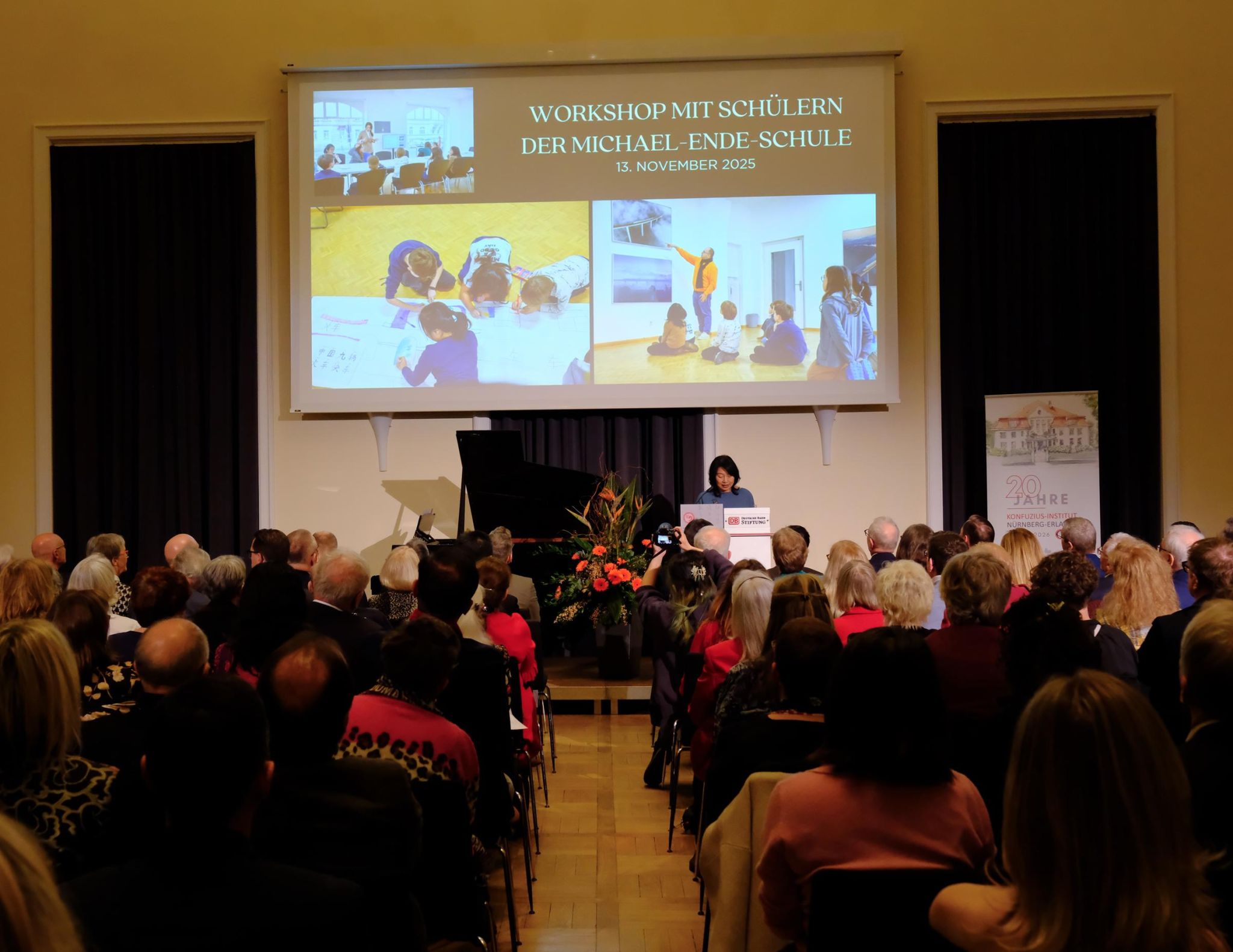
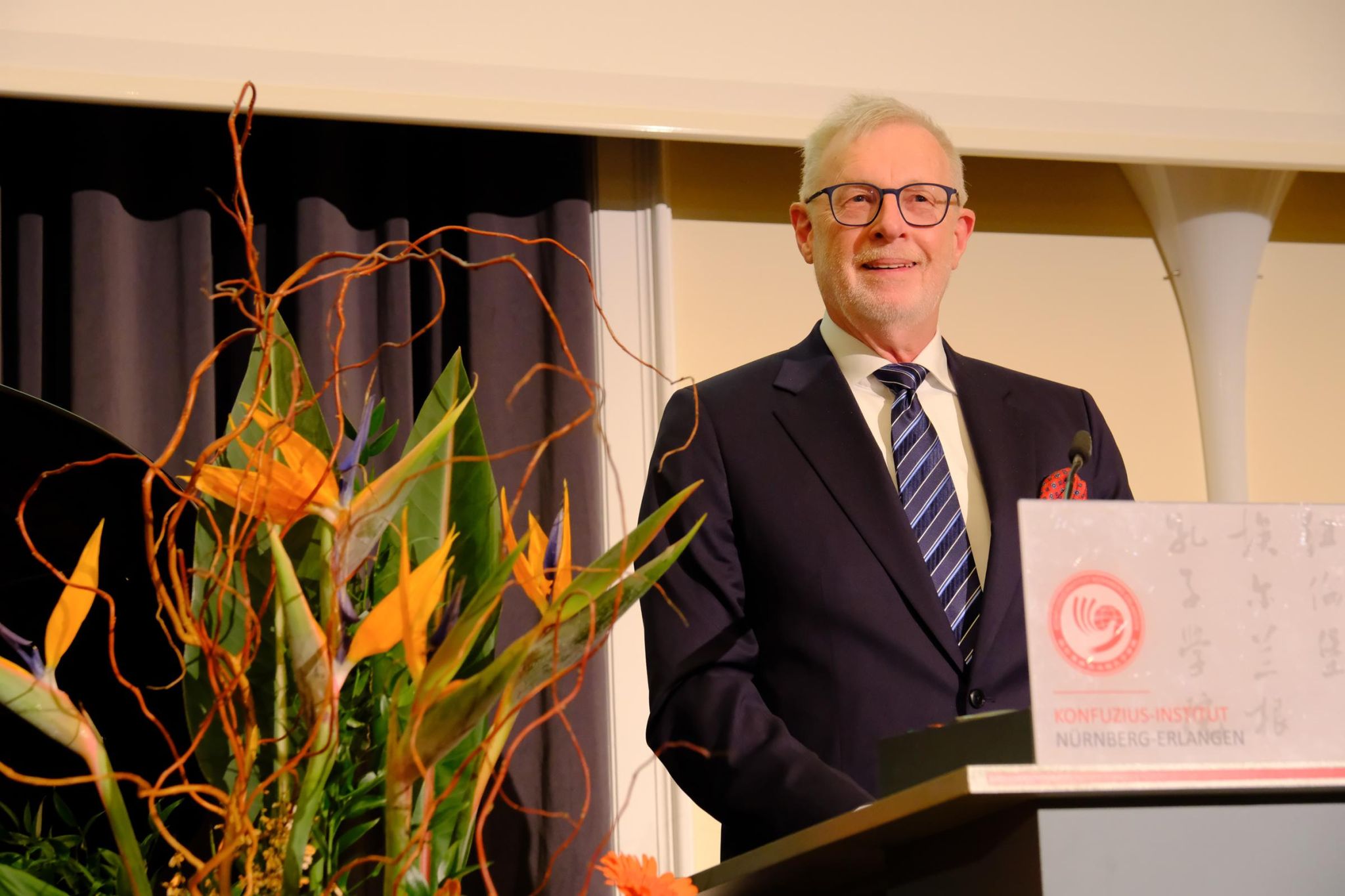
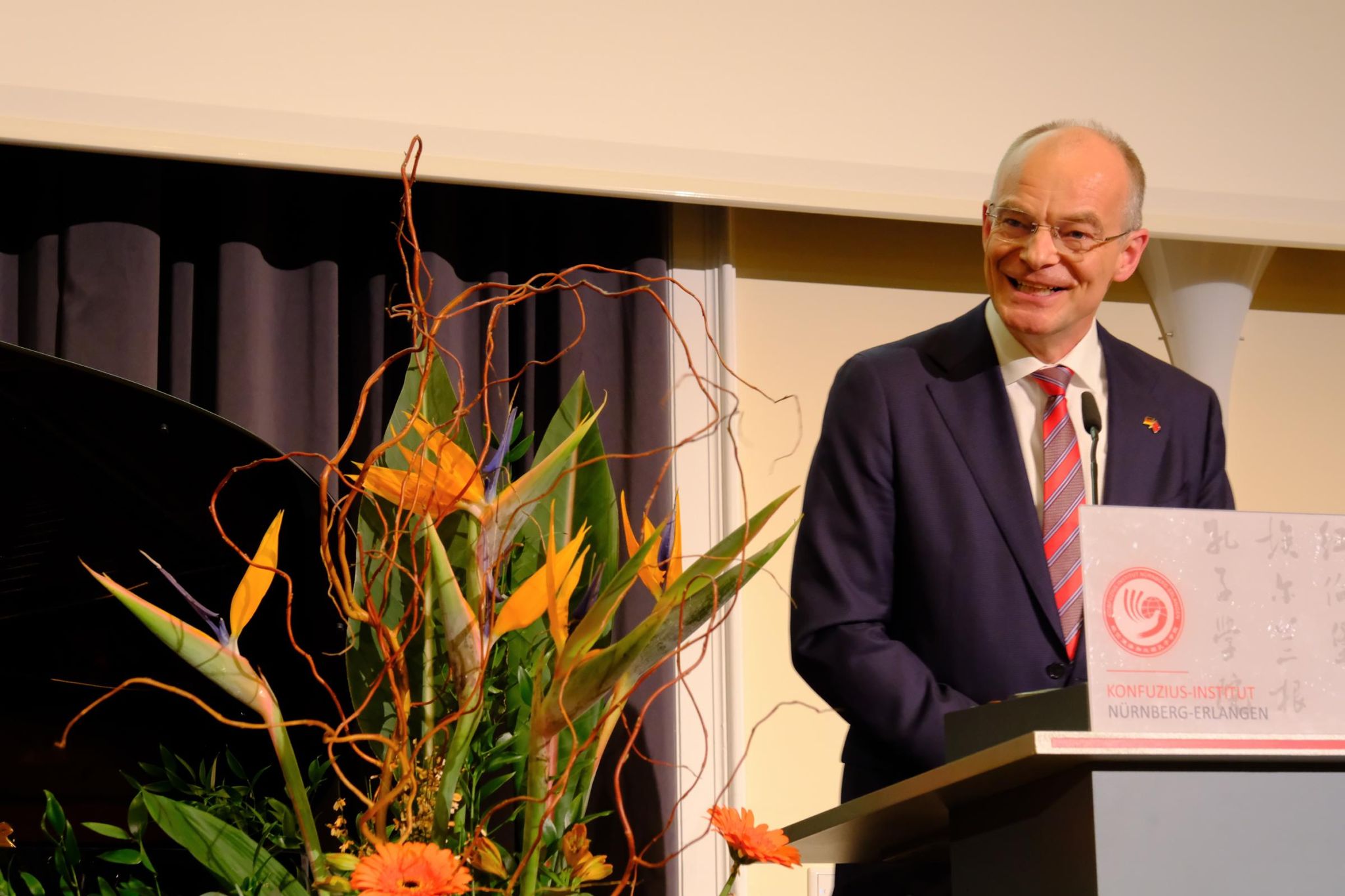
Dr. Yan Xu-Lackner, German director of the Institute, reviewed the past year’s achievements. The Institute hosted 108 cultural events with nearly 10,000 participants and enrolled approximately 1,100 students across various levels of Chinese language instruction. She highlighted the Institute’s diverse programming—documentary screenings, expert lectures, panel discussions, and photography exhibitions—demonstrating its commitment to fostering exchange and dialogue amid evolving international circumstances. Christian Sommer, CEO of the Shanghai German Center, shared insights from his business experience in China, underscoring how stable partnerships build understanding and strengthen trust through sustained engagement. He stressed that consistent communication and long-term cooperation are essential to the durability of Sino-German relations amid global change.
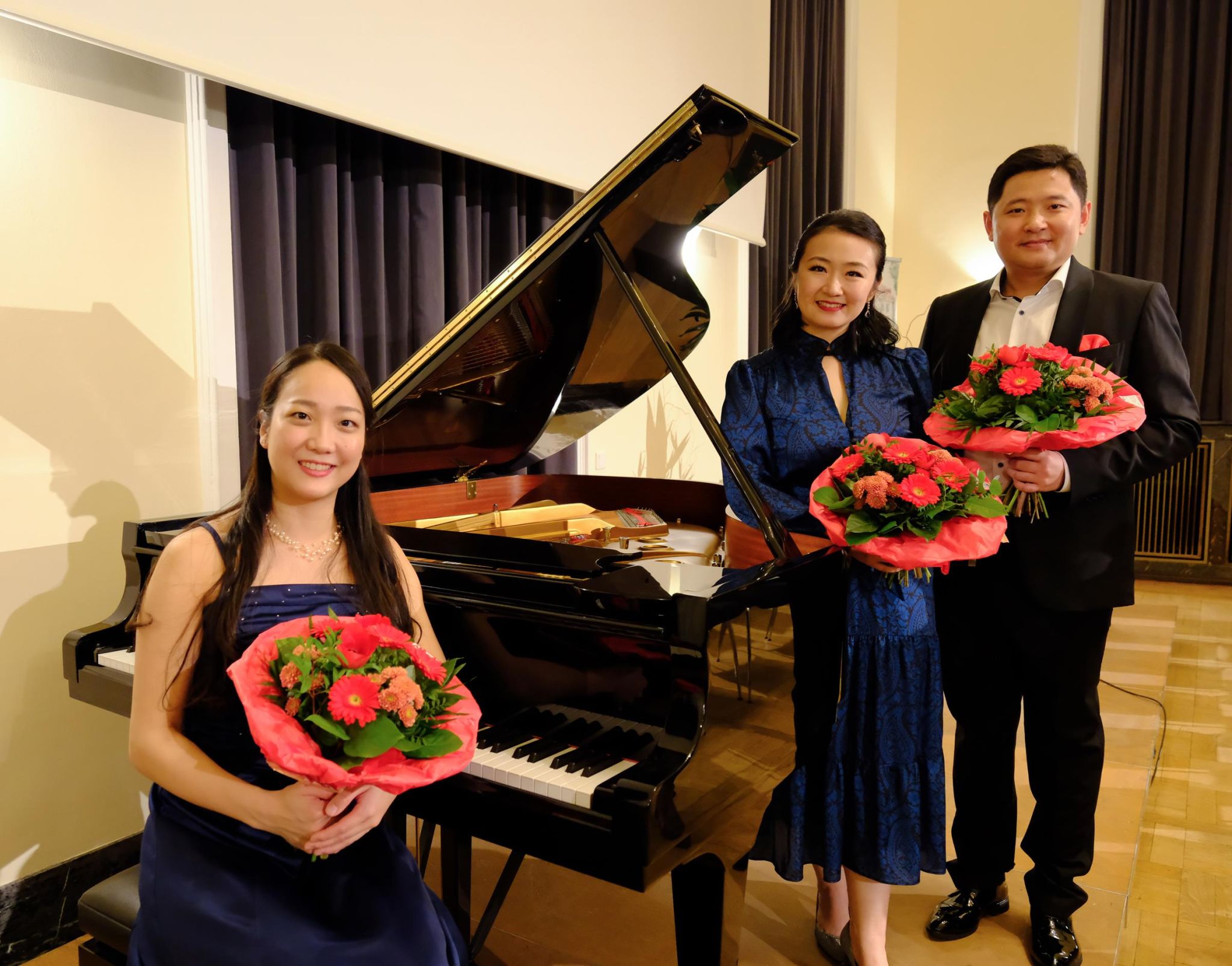
The evening featured musical performances by tenor Li Cheng, mezzo-soprano Yang Liying, and pianist Yuriko Watanabe, who performed a selection of contemporary Chinese art songs. The resonant melodies filled the museum hall, enhancing the cultural ambiance.