On April 27, the Confucius Institute in Barcelona hosted a literary exchange featuring acclaimed Chinese author Liu Zhenyun, drawing approximately 80 readers. Organized in collaboration with the Chinese Writers Association, China National Publications Import & Export Corporation, the Spanish Chinese Literary Readers Club, LinkChina Translation Services, and Casa Asia, the event offered Spanish readers a rare opportunity to engage directly with one of China’s most influential contemporary writers.
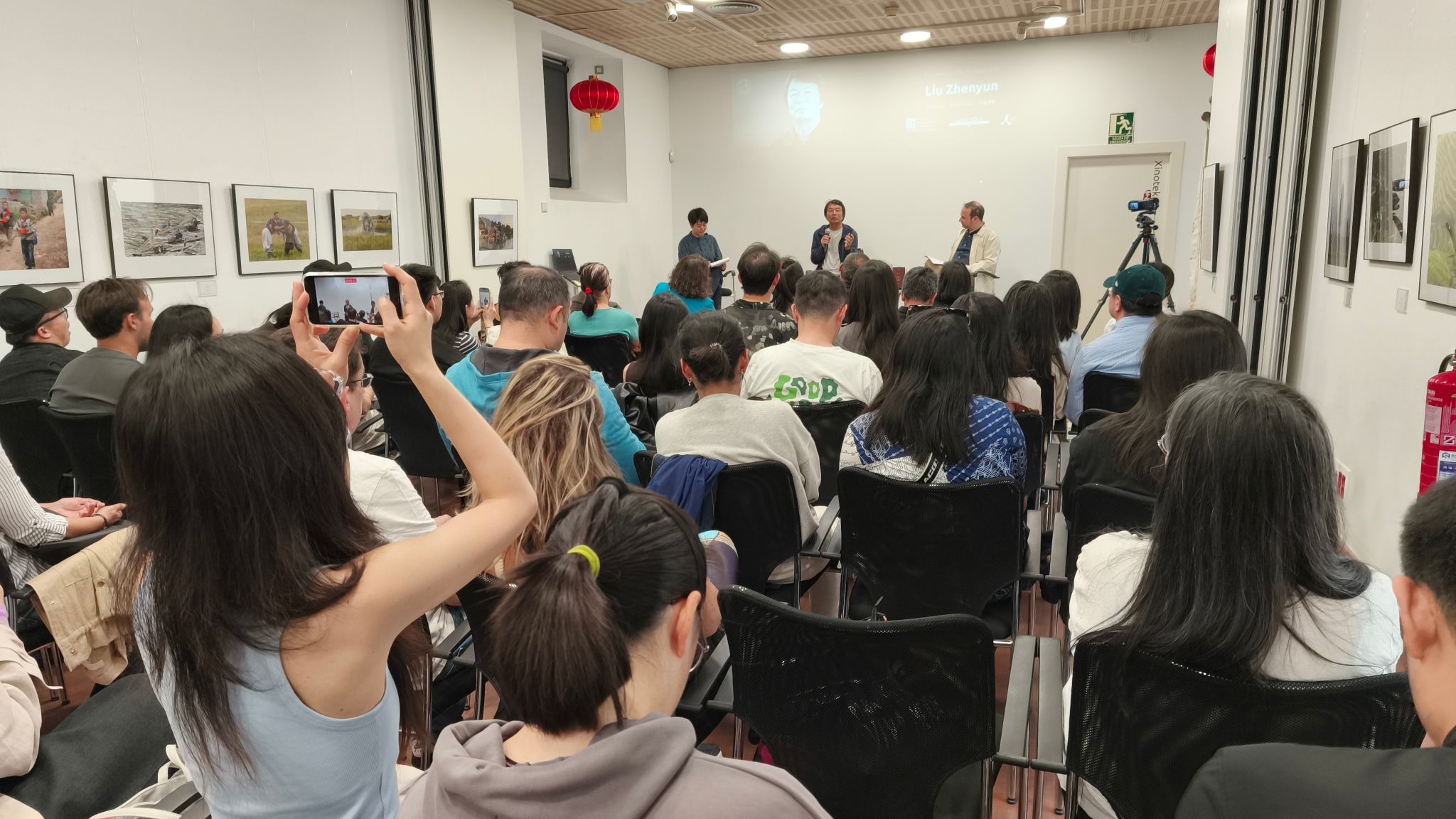
The program featured remarks from diplomatic and cultural leaders. Deputy Consul General Hu Aimin of the Chinese Consulate General in Barcelona noted that China-Spain relations have deepened significantly in recent months, with increased cultural and academic exchanges reflecting broader bilateral commitment. Xu Lingling, director of LinkChina Translation Services, emphasized the particular significance of hosting a Sino-Spanish literary dialogue during Sant Jordi, Spain’s celebrated book and literary festival. She underscored the role of literary translation as essential to cultural understanding, arguing that authentic translation must convey not merely what is said but also the underlying intent and worldview behind it. Gaëlle Patin Laloy, Spanish Director of the Confucius Institute, highlighted how literature serves as a powerful vehicle for fostering deeper appreciation of Chinese society among Spanish audiences.
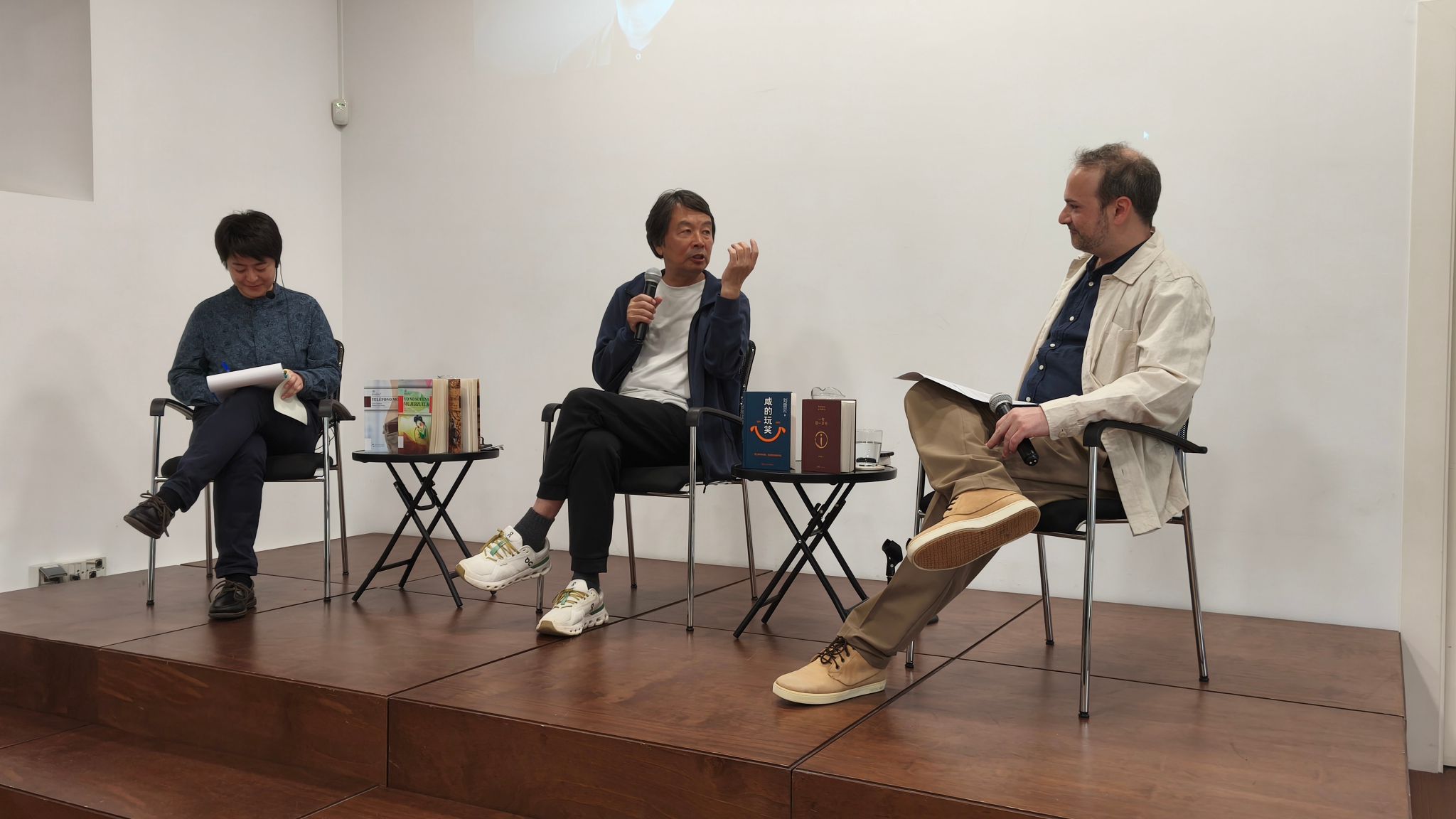
Young sinologist Manuel Pavón-Belizón moderated an in-depth conversation with Liu Zhenyun, exploring his creative process, literary philosophy, and the themes that animate his work. The discussion illuminated the contemplative process integral to his writing.
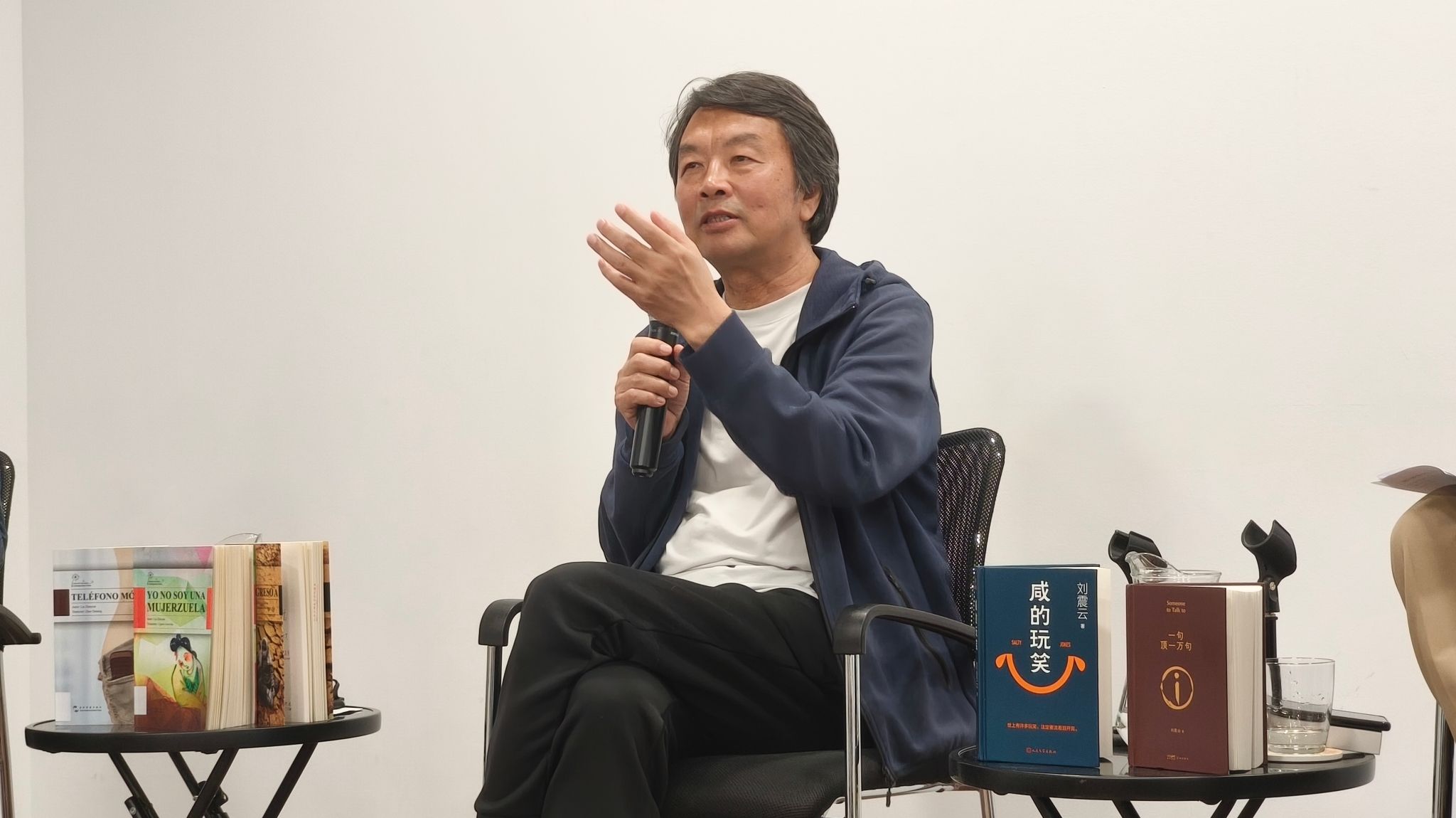
Liu Zhenyun challenged the conventional notion that literature simply mirrors life, illustrating his point through a memorable encounter with a food delivery worker who was reading A Sentence Worth Ten Thousand Words, his earlier novel. The worker observed that while the book felt true to life, it simultaneously transcended it—capturing what fiction uniquely achieves. In daily reality, Liu explained, people are often swept along by circumstances without time for reflection; the impetus behind actions remains unexamined. Literature, by contrast, demands that motivations be articulated and explored. This ordinary laborer’s insight crystallized Liu’s understanding: reading offers us “the wisdom that life leaves behind”—the reflective space that experience itself denies.
This distinction shaped Liu’s conception of the writer’s task: to excavate from the texture of daily life those truths that urgency obscures. Discussing his recent novel A Salty Joke, Liu observed that in social interaction, people present only one facet of themselves, though each person contains many dimensions. Literature uniquely reveals the unexpressed dimensions of the self, the aspects that remain hidden in the surface of lived experience. He noted that the novel’s attention to these hidden dimensions contributed to its resonance with readers. Liu also reflected on how his travels—including his Barcelona visit—may feed his creative imagination, becoming material for future works.
Held during International Chinese Language Day, World Book Day, and Sant Jordi week, the event was part of the “Leer China” (Reading China) series. Liu’s distinctive wit, sharp social observation, and penetrating attention to ordinary Chinese life engaged the audience. The venue filled to capacity, and interaction between author and readers remained animated throughout.
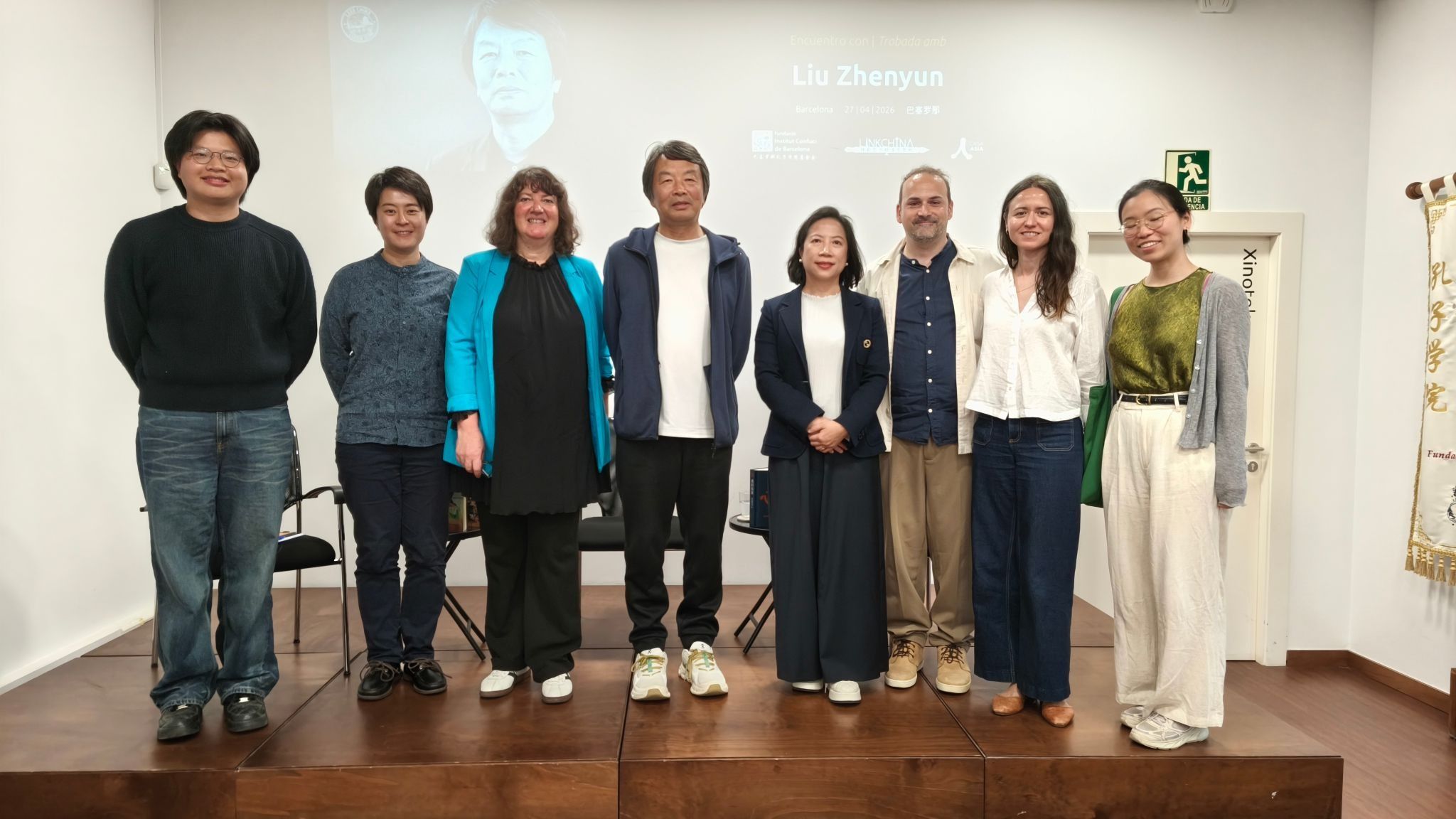
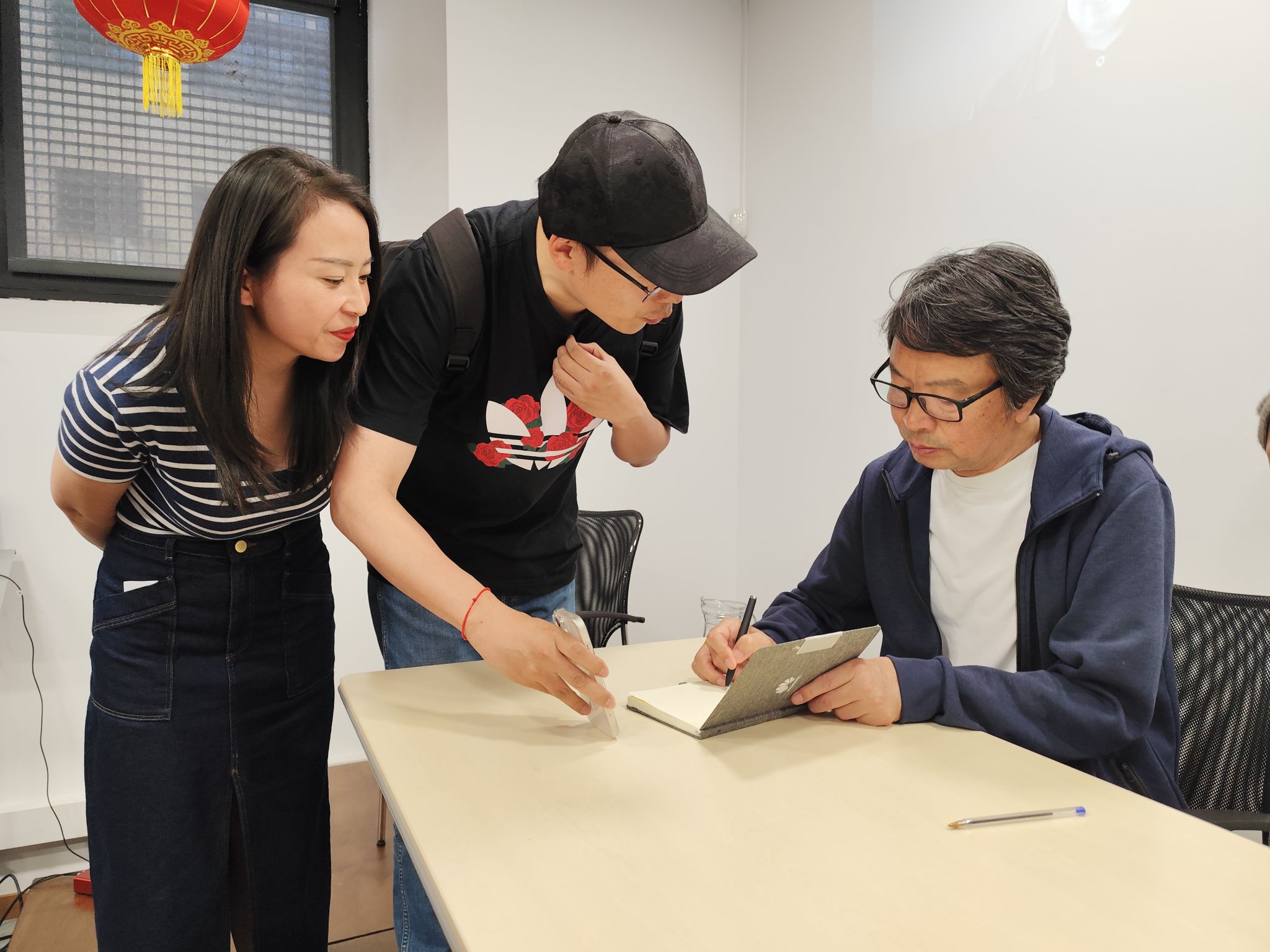
Prior to the public conversation, Liu Zhenyun participated in an exclusive interview with the Confucius Institute in Barcelona exploring literary creation and contemporary Chinese literature. The program concluded with a book signing, enabling readers to speak with Liu directly. The well-attended event demonstrated sustained and growing Spanish interest in contemporary Chinese literature and underscored the deepening trajectory of Sino-Spanish cultural exchange.