About the Institute
The Confucius Institute at Eötvös Loránd University was established in December 2006 through a partnership between Beijing Foreign Studies University (BFSU) and Eötvös Loránd University. It is Hungary’s first Confucius Institute, one of the inaugural cohort of Model Confucius Institutes, and a three-time recipient of the Outstanding Confucius Institute award. The Institute operates as a comprehensive platform integrating Chinese language instruction, cultural programming, and academic research, and has played a central role in advancing Sinological studies in Hungary and securing the place of Chinese within the Hungarian national education system.
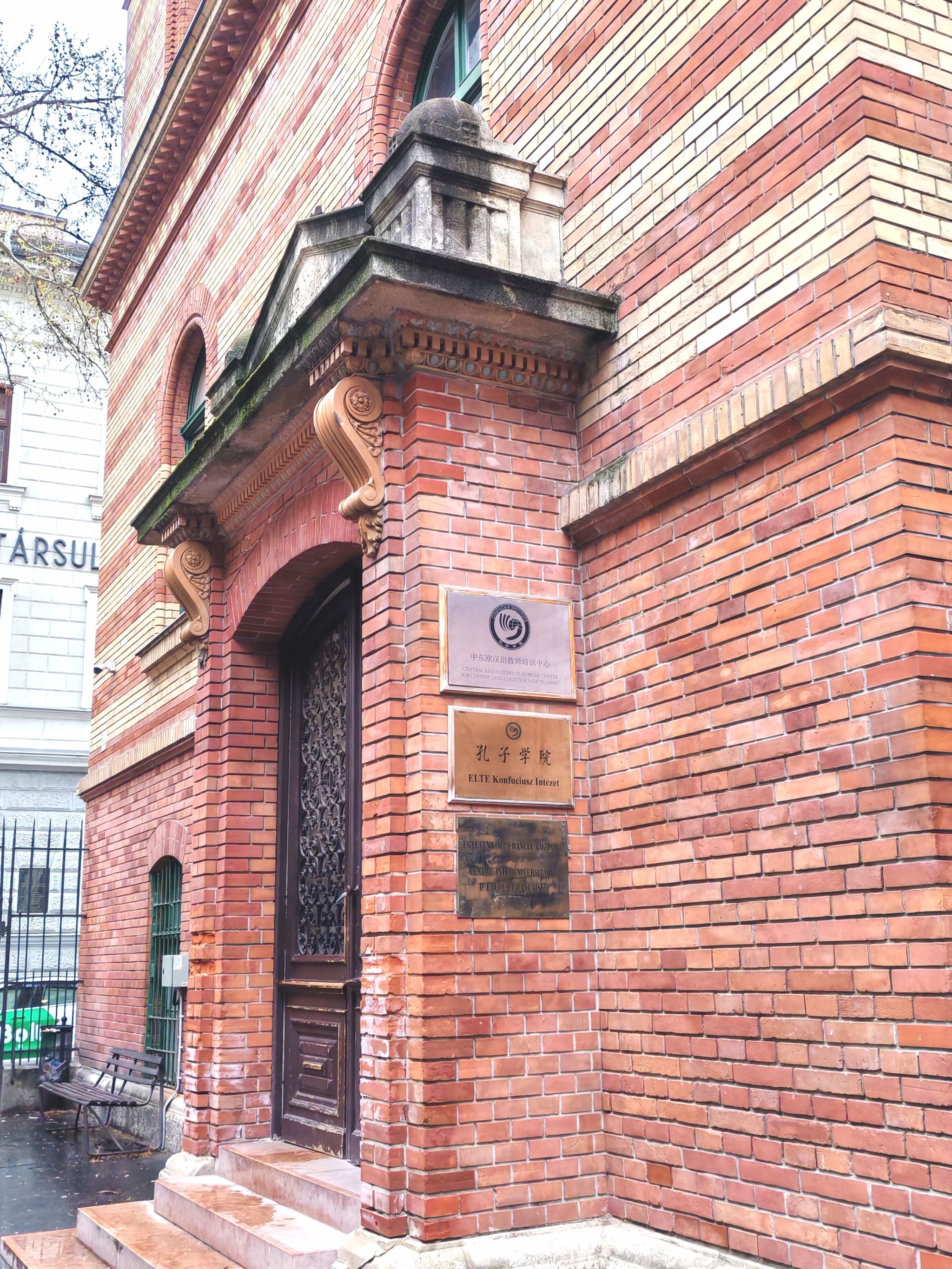
Located in Budapest—at the heart of the corridor connecting Western and Eastern Europe—the Institute’s headquarters are located in a building within ELTE’s Faculty of Humanities in the city center. Facilities include offices for Chinese and Hungarian staff, classrooms, a library, and an event hall. The current team comprises 18 teachers and 10 volunteer teachers seconded from China, two local teachers, and six Hungarian full- and part-time administrative staff.
Programs and Activities
Chinese Language Teaching & Proficiency Tests
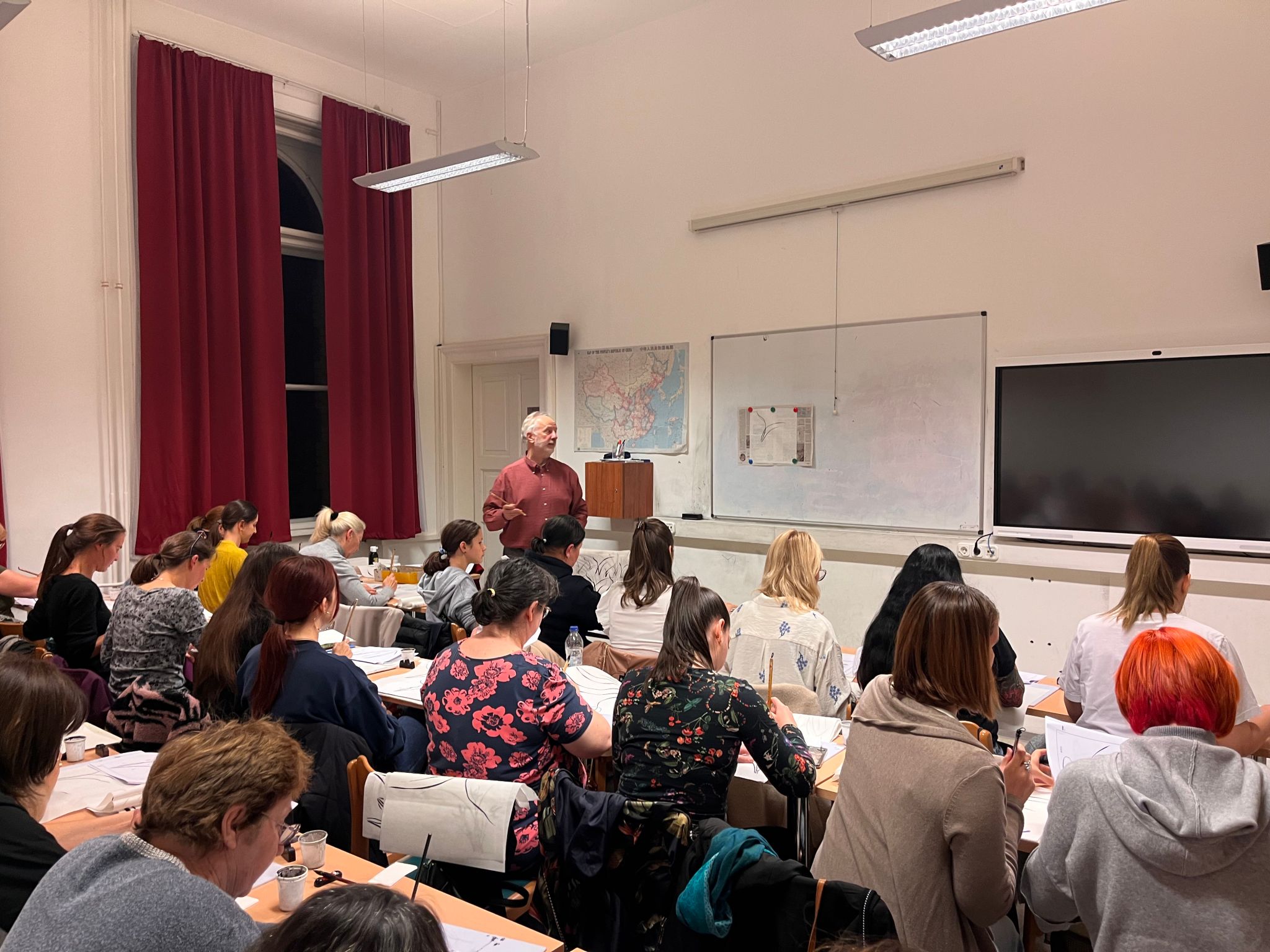
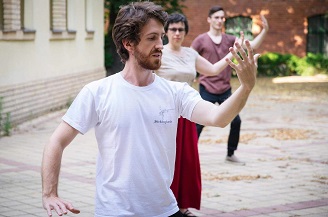
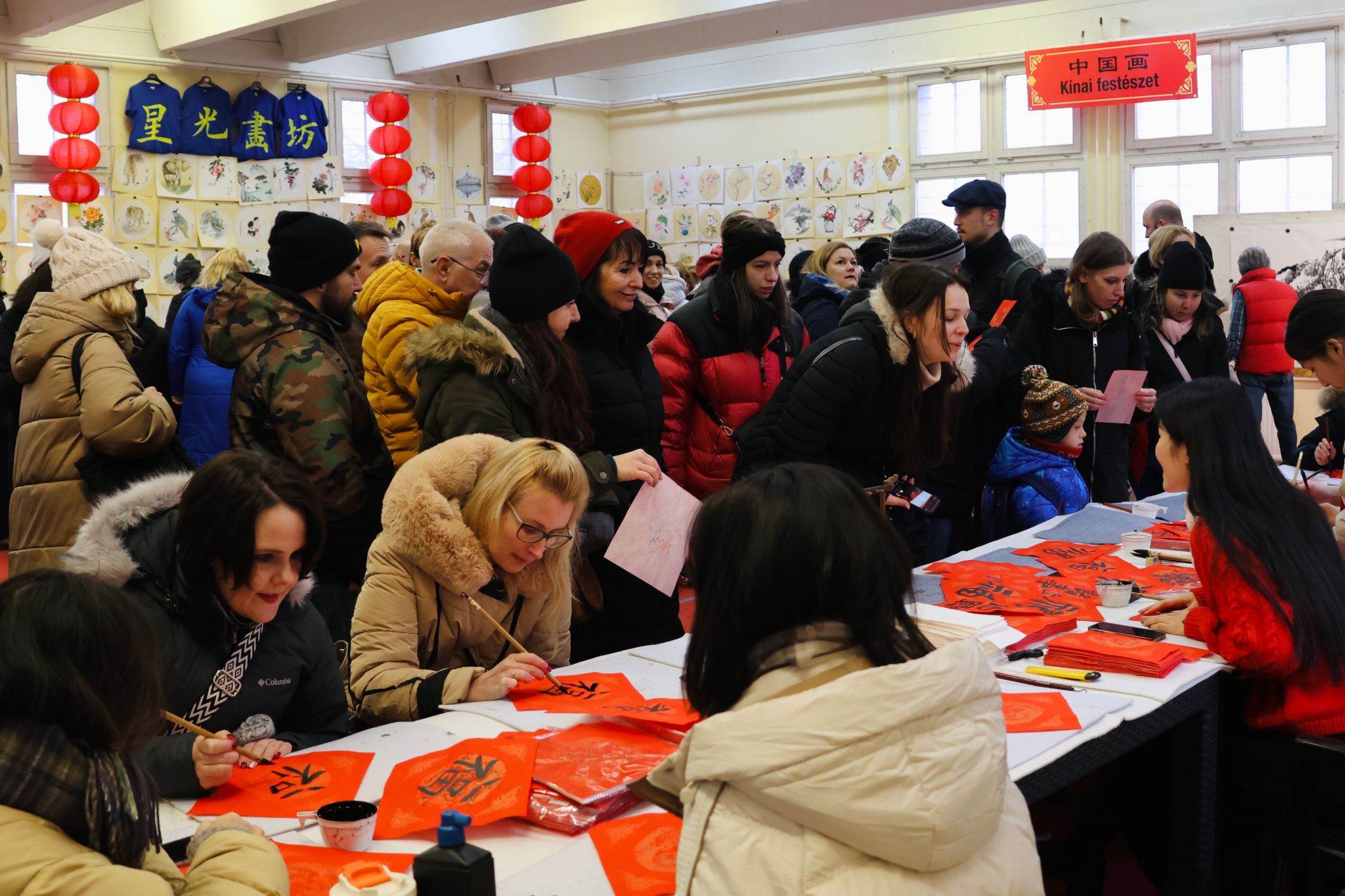
The Institute offers Chinese language courses at all proficiency levels for university and K–12 students, working professionals, government personnel, and corporate staff from both Hungary and China. Course formats include general Chinese, Business Chinese, HSK preparation, one-on-one tutoring, and cultural classes such as tai chi, calligraphy, and Chinese painting. Instruction is available in-person, online, or in a blended format. The Institute currently operates 23 teaching sites across six major Hungarian cities, with an average annual enrollment of approximately 2,500 students.
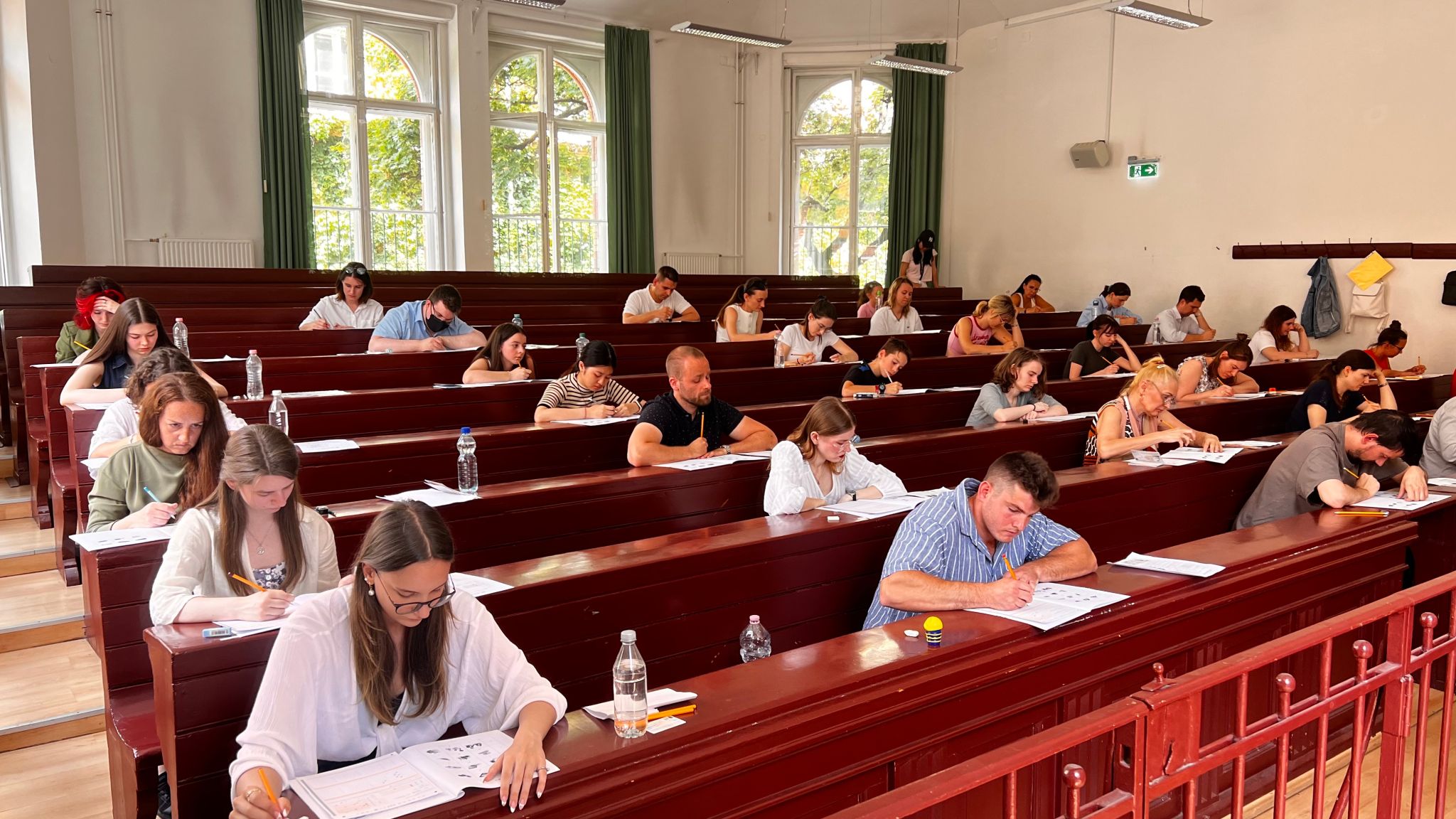
Regular examinations—HSK, HSKK, YCT, and BCT—are administered approximately eight times per year. In 2025, total exam candidates numbered 673. The Institute has been named an Outstanding Chinese Examination Site four times, received the HSK Outstanding Promotion Award in 2023, and was designated one of the inaugural HSK Global Model Examination Sites in 2024.
Faculty Development & Academic Research
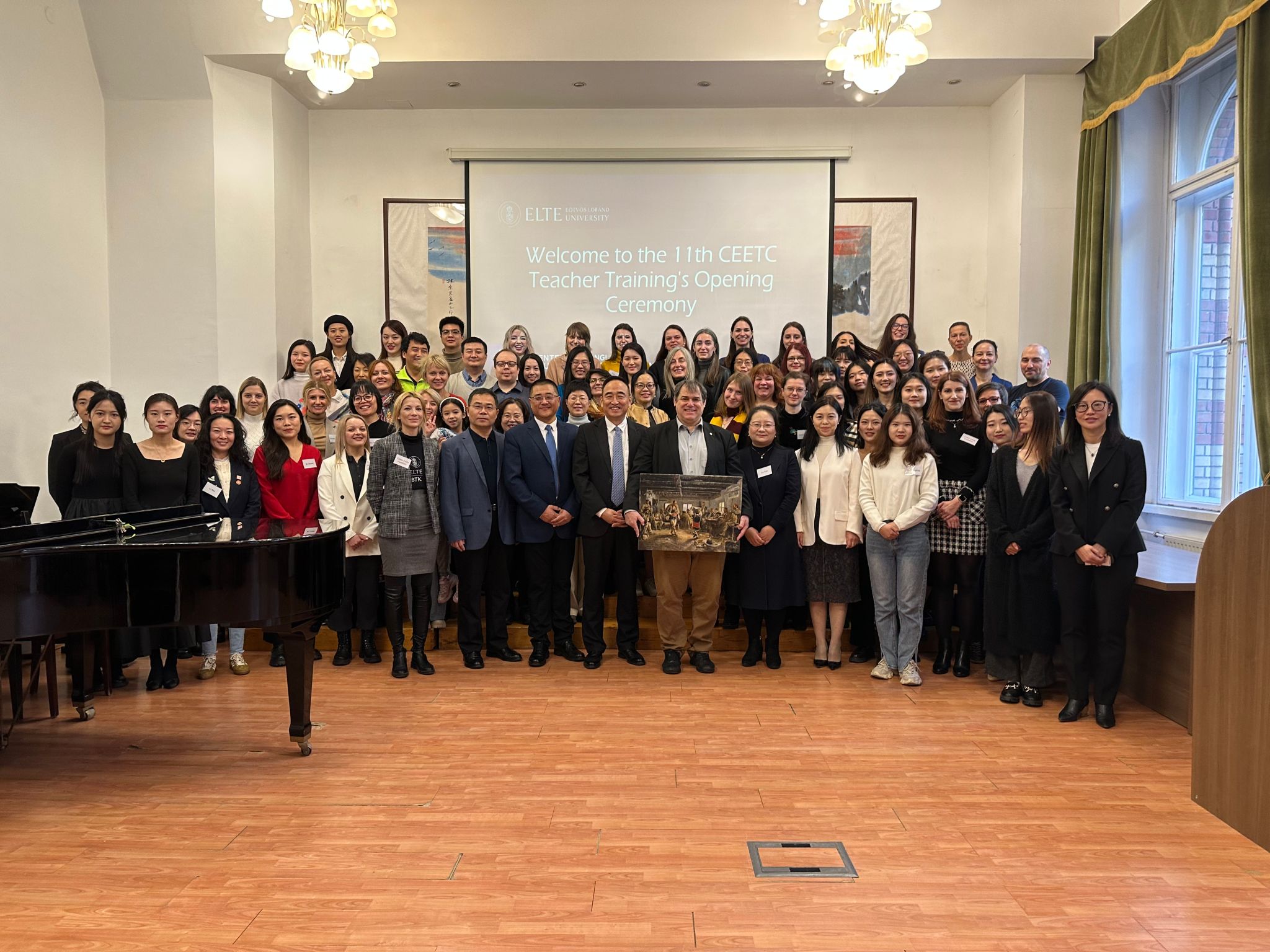
In 2014, the Central and Eastern European Chinese Language Teacher Training Center was established at the Institute in response to growing demand for qualified Chinese teachers across the region. The Center organizes regular training sessions and teaching seminars and has become a regional hub for developing local Chinese language educators in Central and Eastern Europe. In 2022, the Central and Eastern European Chinese Language Teachers’ Association was founded, with its journal European Chinese Language Education launched to support the professional community.
The Institute has produced several significant scholarly publications. The Hungarian Chinese Textbook, developed by Institute faculty, has become the standard Chinese-language curriculum for Hungarian primary and secondary schools. The Chinese–Hungarian Dictionary and Hungarian–Chinese Dictionary, co-edited by Hungarian Director Prof. Dr. Hamar Imre, have also been published. The Institute regularly hosts Young Sinologists’ Seminars and Sino-Hungarian Cultural Salons, drawing on Hungary’s established Sinological tradition to advance cross-cultural research and exchange.
The Institute collaborates closely with ELTE on interdisciplinary initiatives. The ‘One Belt, One Road’ Research Center and the Sino-Hungarian Center for Civilizational Exchange hold regular high-level international conferences, fostering dialogue between Chinese studies and classical civilization research.
Cultural Programs
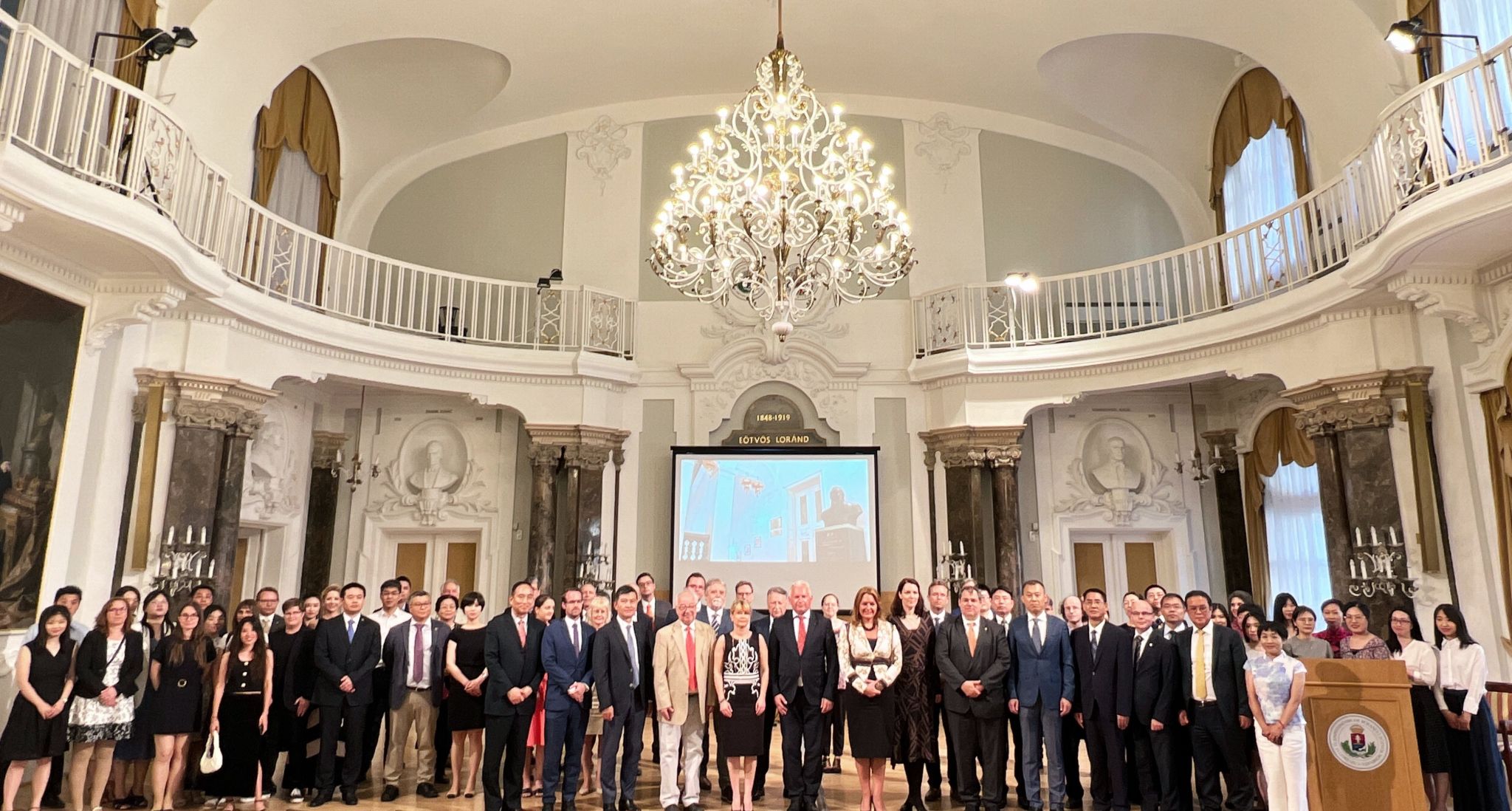
The Institute organizes more than 60 cultural events annually, reaching over 20,000 participants. Signature events include the Spring Festival Gala, Dragon Boat Culture Festival, ELTE Open Day, Museum Night, and Chinese painting exhibitions—all of which have developed strong local followings. Cultural experience courses in tai chi, calligraphy, and Chinese painting, taught by local instructors, complement the events program and reflect the Institute’s commitment to culturally embedded outreach.
Signature Initiatives
The Institute’s flagship contribution to the region is its dual role as a teaching institution and a Central and Eastern European platform for Chinese language teacher development. The Teacher Training Center and Teachers’ Association together form a structured professional network that serves educators across multiple countries. Domestically, the Hungarian Chinese Textbook series has shaped Chinese-language instruction at the K–12 level nationwide, while the bilingual dictionaries provide essential reference resources for both learners and researchers. The Institute’s research centers—linking Chinese studies with broader European humanistic scholarship—position ELTE’s Confucius Institute as one of the most academically active in the region.
Looking Ahead
The Institute will continue to develop as a comprehensive model institution integrating Chinese language teaching, cultural exchange, and academic research. Key priorities include strengthening the Central and Eastern European Teacher Training Center, expanding examination and resource center infrastructure, and deepening curriculum reform. The Institute aims to maintain its leadership role in Chinese language education, cultural programming, and Sinological research in the region.
Contact
Hungarian Director: Dr. Hamar Imre
Chinese Director: LI Denggui
Email: office@konfuciusz.elte.hu
Website: www.konfuciuszintezet.hu
Phone: +36-1-411-6597
Address: 1088 Budapest, Múzeum krt. 4/F. I/16., Hungary