The Confucius Institute at Sapienza University of Rome was established on September 29, 2006, as a partnership between Sapienza University of Rome and Beijing Foreign Studies University (BFSU). It is one of the longest-standing and most widely recognized Confucius Institutes in Europe, having received the Confucius Institute Pioneer Award in 2014 and the designation of Global Model Confucius Institute in 2016.
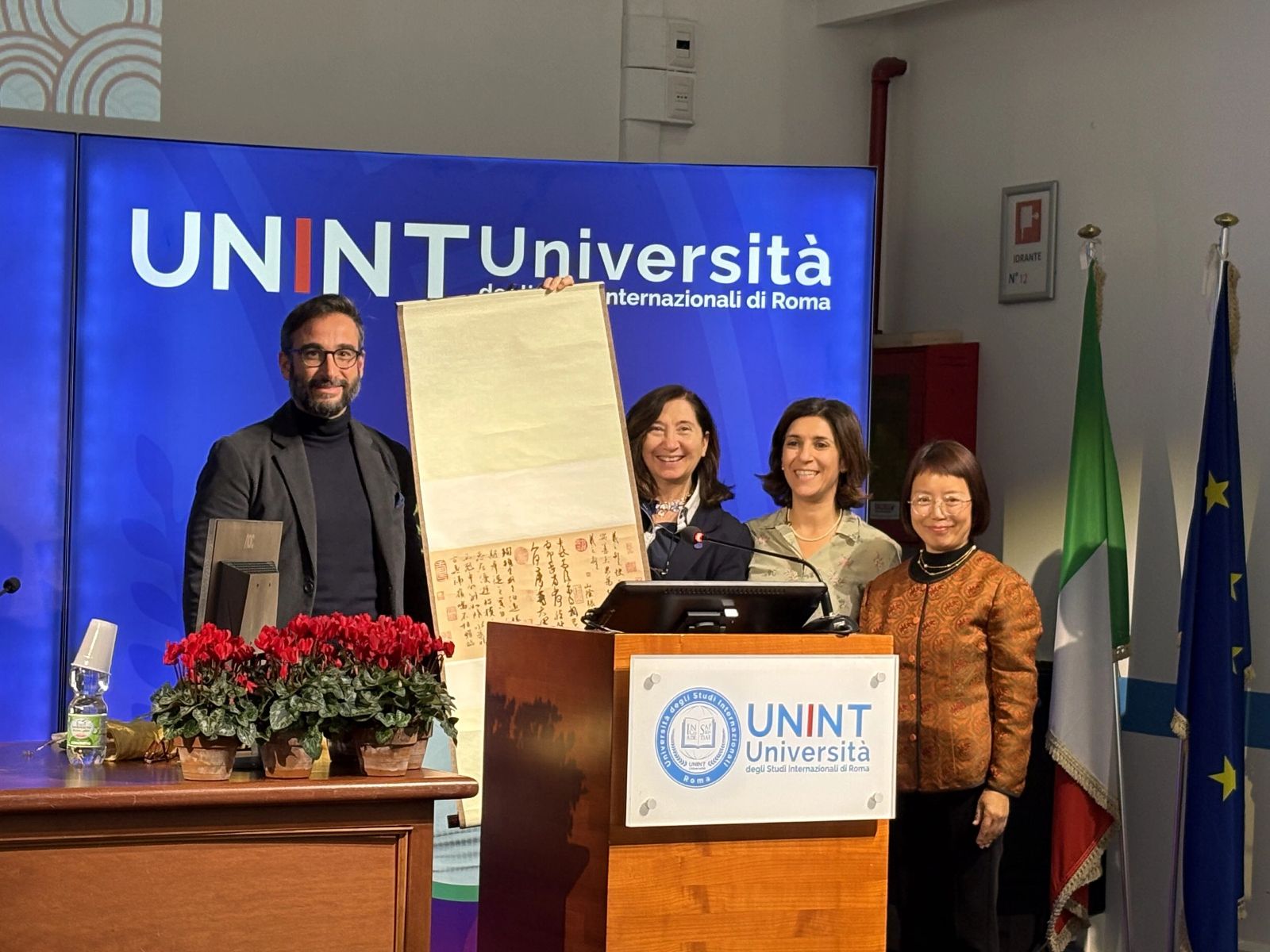
The Institute operates through a central hub-and-spoke model, comprising its main office at Sapienza and eight affiliated Confucius Classrooms located across Italy:
Confucius Classroom | Location |
Convitto Nazionale Vittorio Emanuele II | Rome |
University of Urbino Carlo Bo | Urbino |
Convitto Nazionale “Amedeo di Savoia, Duca d’ Aosta” | Tivoli |
University of Tuscia | Viterbo |
Liceo Classico Statale “F.Capece” | Lecce |
University of Cagliari | Cagliari |
University of International Studies of Rome | Rome |
Uni-Italia* | Rome |
* Currently Inactive
Through this network, the Institute serves as a leading platform for educational and cultural exchange between Italy and China, contributing actively to the internationalization of Italian higher education.
Programs and Activities
Chinese Language Teaching & Proficiency Tests
Since its founding, the Institute has served nearly 50,000 learners across a broad range of programs. Course offerings span nine proficiency levels for adult learners—from beginner through advanced—alongside specialized tracks including children’s Chinese (four levels), Business Chinese, Chinese–Italian translation, newspaper reading, advanced conversation, tailored corporate training, and heritage language courses. In total, the curriculum encompasses approximately 20 distinct course types, with new programs in continuous development.
A signature pedagogical innovation of the Institute is its 1+1 Co-Teaching Model, in which an Italian-speaking teacher handles grammar, characters, and explanatory instruction while a Chinese teacher focuses on oral communication and language skills. This collaborative approach maximizes the complementary strengths of both instructors and has been widely recognized as a model for local-context language teaching.
Teaching quality is maintained through a structured system of pre-term training, joint lesson planning, real-time classroom monitoring, and regular teaching assessments.
In the area of certification, the Institute has been the first accredited examination center in Italy for the International Chinese Language Teacher Certificate (CTCSOL) since December 2016. It also administers multiple annual sittings of the HSK (Chinese Proficiency Test), HSKK (HSK Speaking Test), YCT (Youth Chinese Test), and BCT (Business Chinese Test), with a cumulative total of over 6,000 examination candidates.
Faculty Development & Academic Research
The Institute places strong emphasis on the professional development of its local teaching staff. Regular in-service training sessions, pedagogical workshops, and teaching seminars are held throughout the academic year. In 2021, BFSU and the Institute jointly established an overseas internship site at Sapienza University of Rome, along with the Rome Center for Chinese Language Teacher Education and Professional Development.
In June 2025, the Institute hosted the 11th Italy–San Marino Confucius Institute Local Teachers’ Training and Symposium, drawing nearly 70 scholars and educators online and in person. The program addressed themes including the localization of Chinese language textbooks, international standards for Chinese language teacher competency, and the integration of traditional culture into the curriculum.
The Institute also supports local teachers in pursuing professional growth through collaboration with BFSU, study visits to China, and opportunities to contribute to academic publications and original teaching materials. In partnership with the Department of Oriental Studies at Sapienza University of Rome and its network of affiliated classrooms, the Institute regularly hosts academic lectures, international conferences, and scholarly forums. Notable examples include the international symposium Humans and Machines: Sci-Fi, Ethics, and How China Is Writing a Shared Future World hosted by the Confucius Classroom at University of Tuscia, as well as recurring high-level forums on international Chinese language education co-organized with Confucius Institutes across Italy and San Marino.
In the area of curriculum and materials development, the Institute has published several locally tailored textbooks—including Il cinese per gli italiani, Parliamo Cinese, and Comunicare in cinese—and contributed to the drafting of Chinese language curriculum guidelines for Italian secondary schools.
Cultural Programs
Since its founding, the Institute has organized more than 400 major cultural events with a combined attendance of over 340,000 participants, establishing a broad cultural outreach network that spans universities, secondary schools, and the general public.
Flagship events have included the Sino-Italian Cultural Exchange Year gala, the “Spring in Rome” Chinese New Year Concert, national touring performances, and the Spring Festival Garden Party. These high-profile programs have substantially raised the Institute’s public profile and deepened awareness of Chinese culture across Italy.
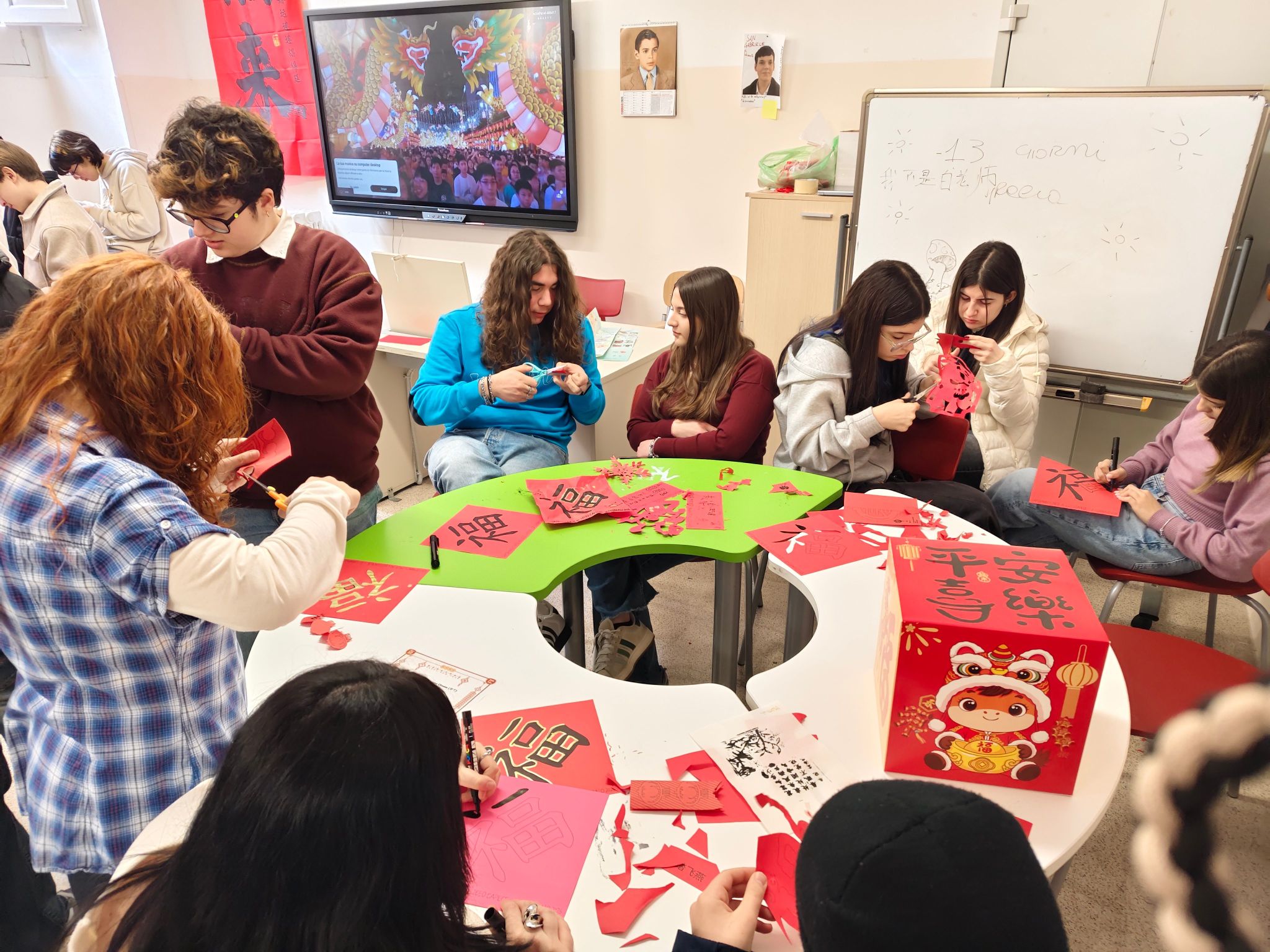
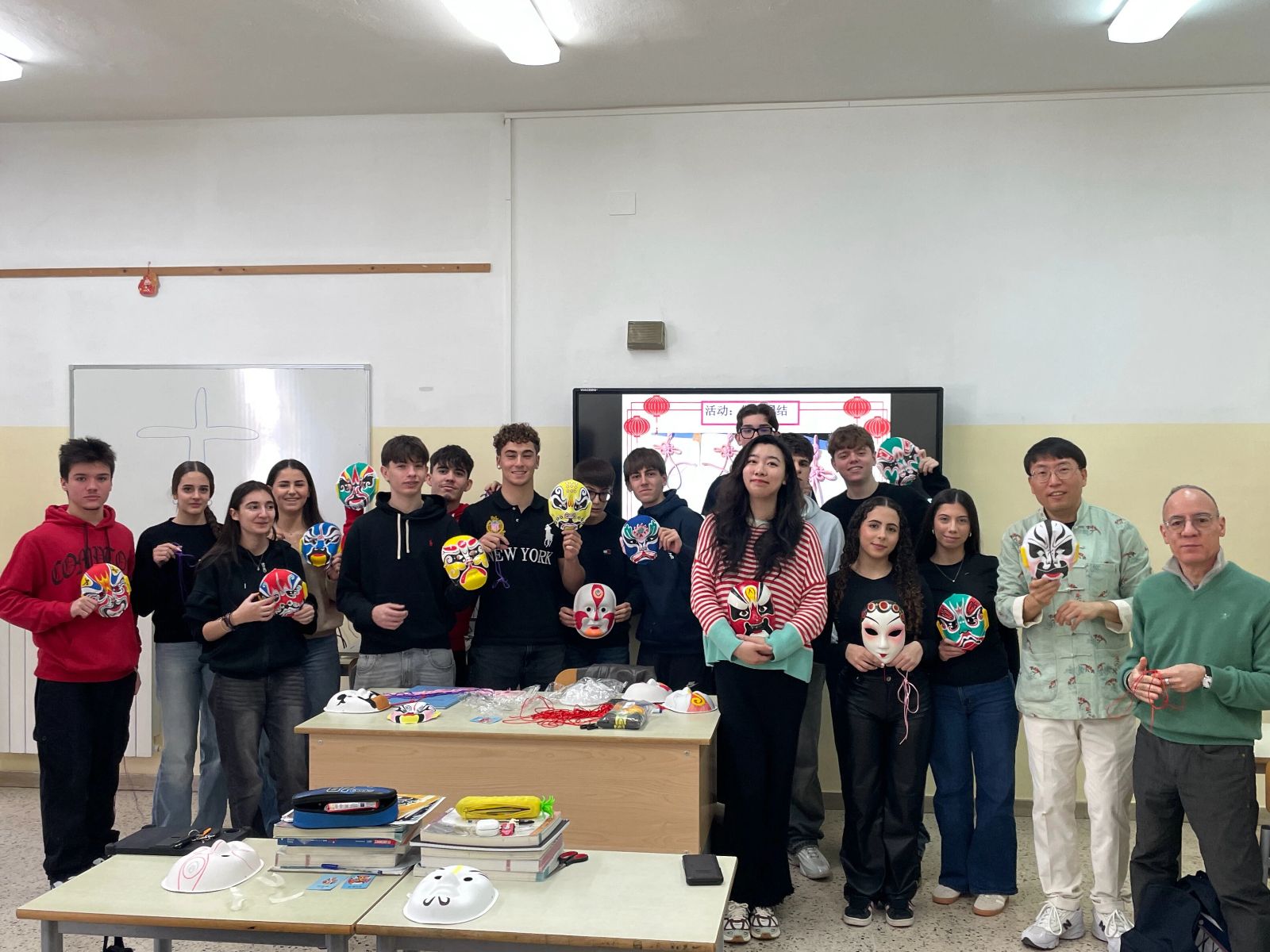
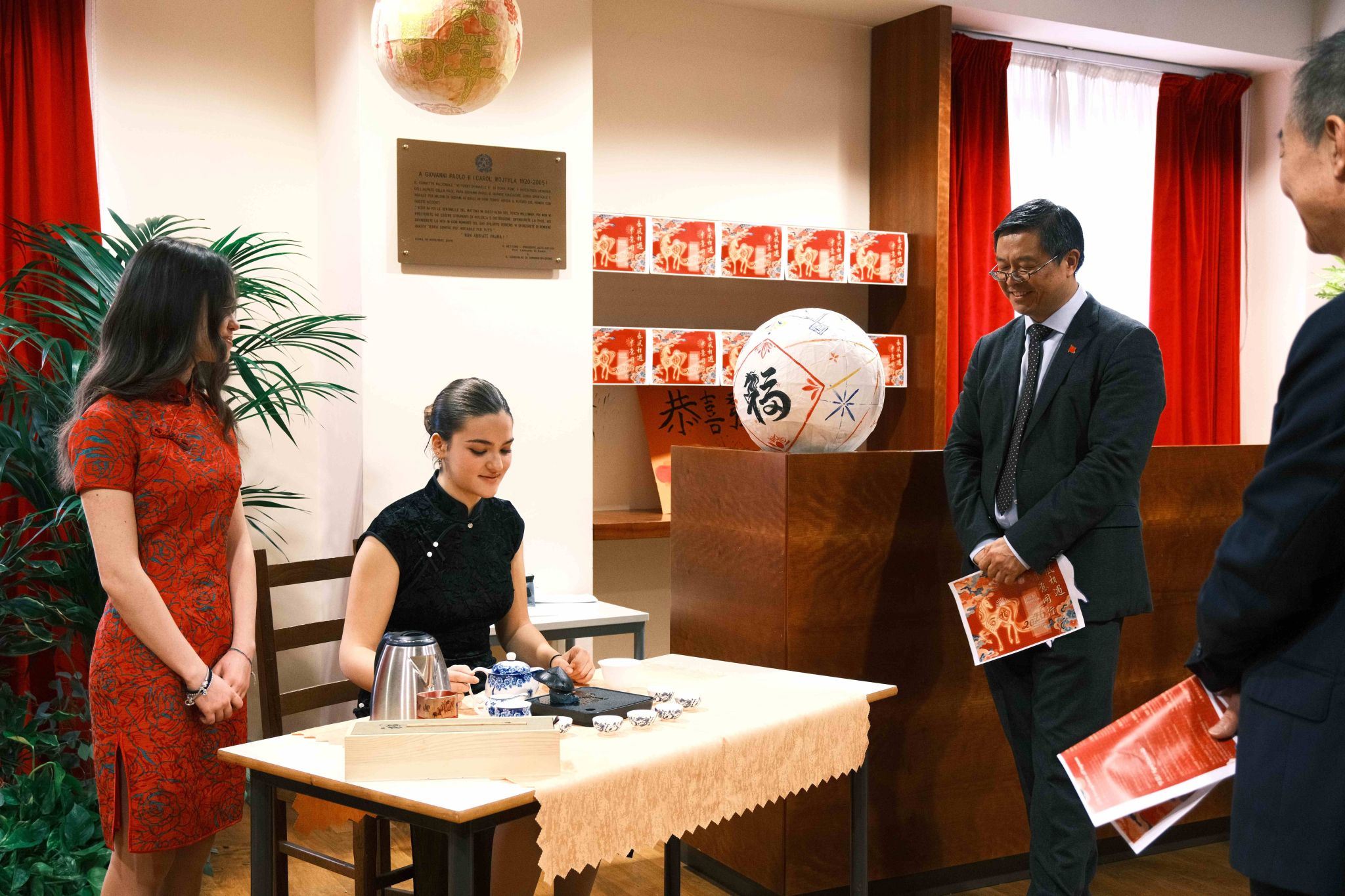
Day-to-day programming follows a philosophy of combining knowledge with hands-on experience. The Institute’s cultural calendar encompasses lectures, exhibitions, performances, competitions, cultural workshops, and thematic weeks, covering areas such as Chinese language and literature, traditional performing arts, calligraphy, paper cutting, culinary culture, and festival customs.
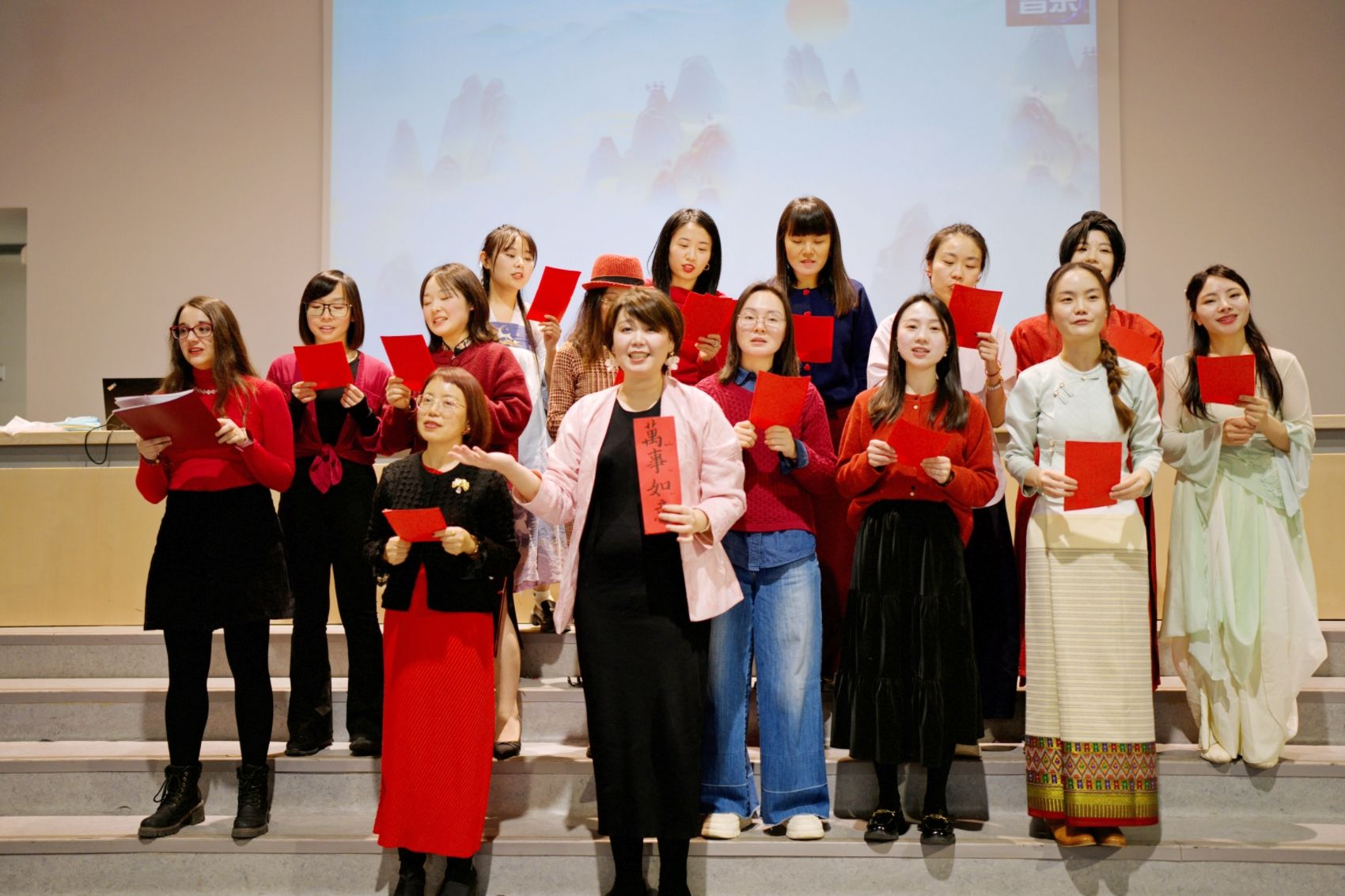
In 2025, highlights included the 3rd Classical Chinese Poetry Recitation and Spring Festival Celebration, themed “Poetry in Bloom”, which brought together poetry readings, live music, and cultural activities for over 70 participants; a Spring Festival event at the Confucius Classroom at the University of Tuscia attended by nearly 100 local residents, featuring calligraphy, paper cutting, dumpling-making, and cultural quizzes; a combined calligraphy and martial arts session at the Confucius Classroom at the University of Cagliari; and a traditional Chinese music lecture-performance at the Confucius Classroom at the University of Urbino, where students were invited to try playing the guzheng.
The Institute also runs the “China Through My Eyes” Short Video Competition, which invites learners to share their experiences with China through digital media—an initiative that has proven effective in combining language learning with intercultural dialogue.
Signature Initiatives
Industry Partnerships: The Institute has forged strategic partnerships with major Chinese enterprises operating in Rome, including Air China, China Eastern Airlines, and Huawei, with formal cooperation agreements signed in 2017. In partnership with the China National Tourism Administration’s Rome office, the Institute organized a study tour for Italian school principals and co-hosted the Discover the Unexpected China itinerary design competition for Italian university students, promoting cultural exchange and mutual understanding.
Bilingual Journal: Launched in March 2014, the Institute’s bilingual (Chinese–Italian) bimonthly journal Istituto Confucio is the only publication of its kind in Italy dedicated to Chinese language education and Sino-Italian cultural exchange. Regular sections cover topics ranging from cultural profiles and thematic features, to language lessons, children’s content, travel writing, and Institute news—serving both the scholarly community and the general readership.
Looking Ahead
The Institute’s vision is to become the leading center for Chinese language education and Sino-Italian cultural exchange in Rome, the Lazio region, and central and southern Italy. Priorities for the coming years include strengthening program quality and institutional management, expanding teacher education and Chinese language pedagogy research, developing new specialist courses and lecture series, and deepening academic collaboration between BFSU and Sapienza University of Rome. The Institute is committed to supporting both its central team and its affiliated classrooms in building their own distinctive strengths, and to helping faculty integrate teaching excellence with their broader scholarly and professional development.
Contact
Italian Director: Federico Masini
Chinese Director: YANG Huiling
Email: confucioroma.office@gmail.com
Website: www.istitutoconfucio.it
Phone: +39 06 688 685 80
Address: Palazzo Baleani, Corso Vittorio Emanuele II, 244 – 00186 Rome, Italy