About the Institute
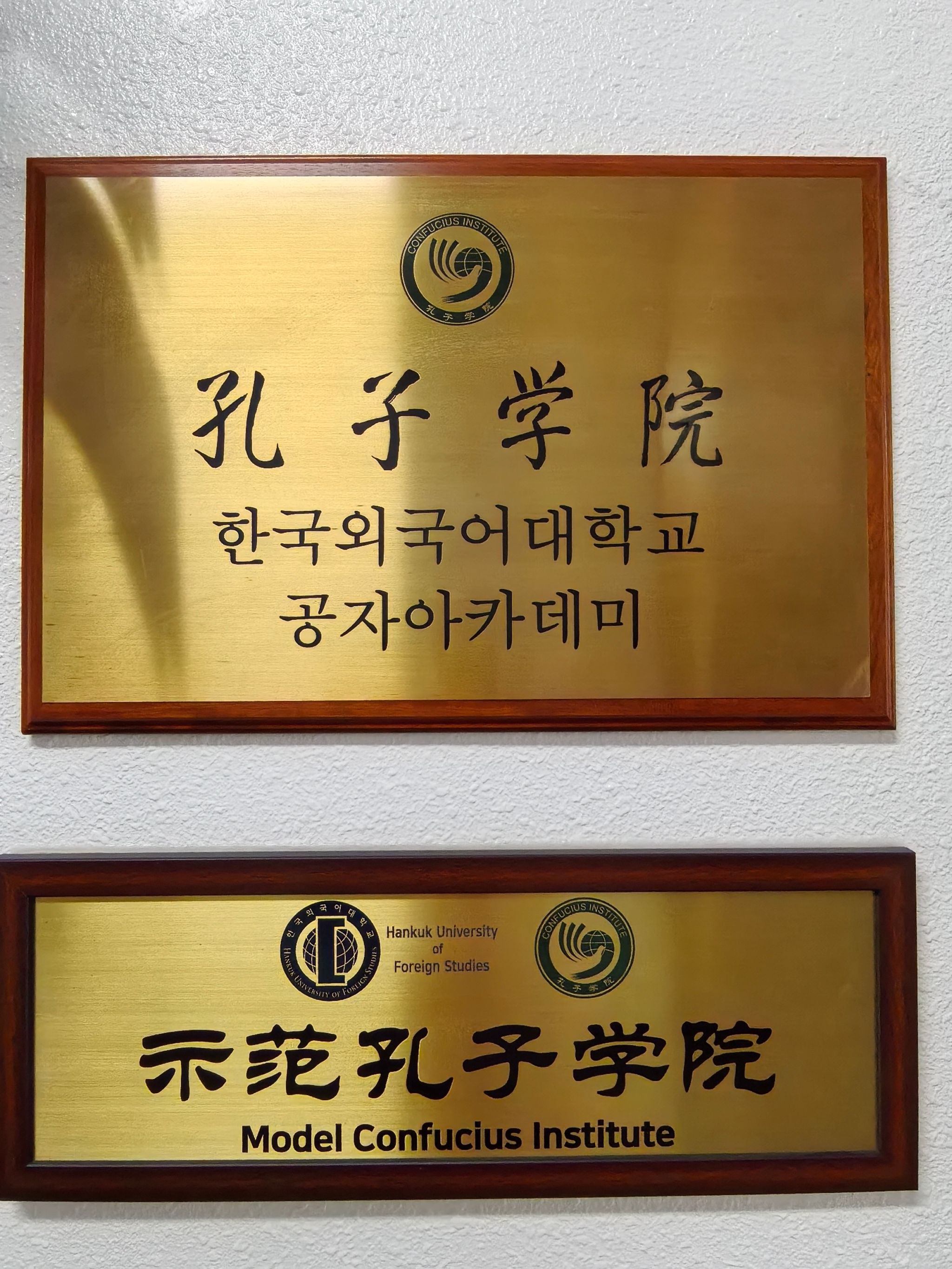
The Confucius Institute at Hankuk University of Foreign Studies (HUFS) was established in October 2009 through a partnership between Beijing Foreign Studies University (BFSU) and HUFS. It is one of the earliest Confucius Institutes founded in Korea and was designated a Model Confucius Institute in 2019. Drawing on the complementary strengths of both universities in foreign language education and regional studies, the Institute has developed a strong reputation in international Chinese language education and China–Korea cultural exchange.
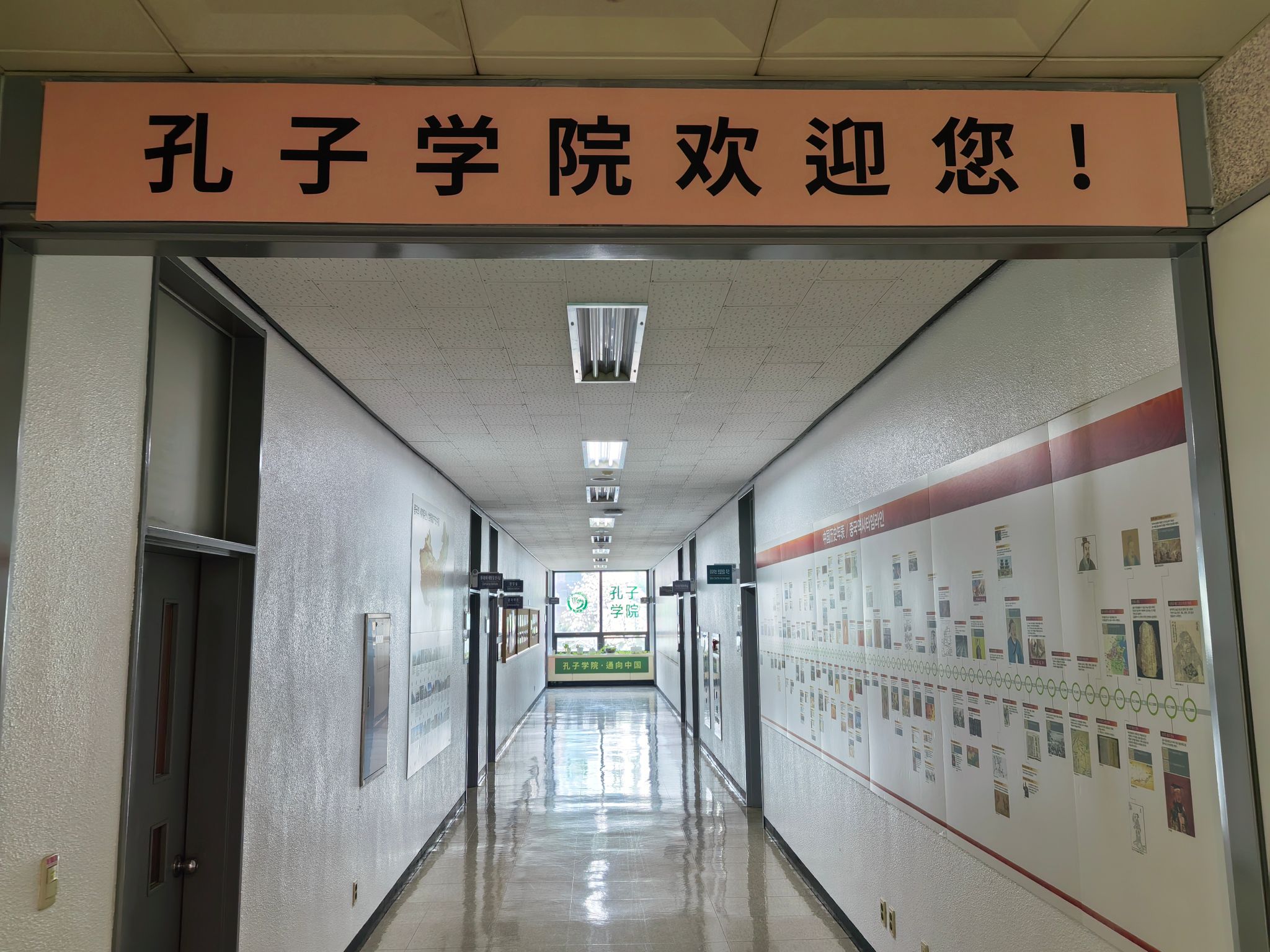
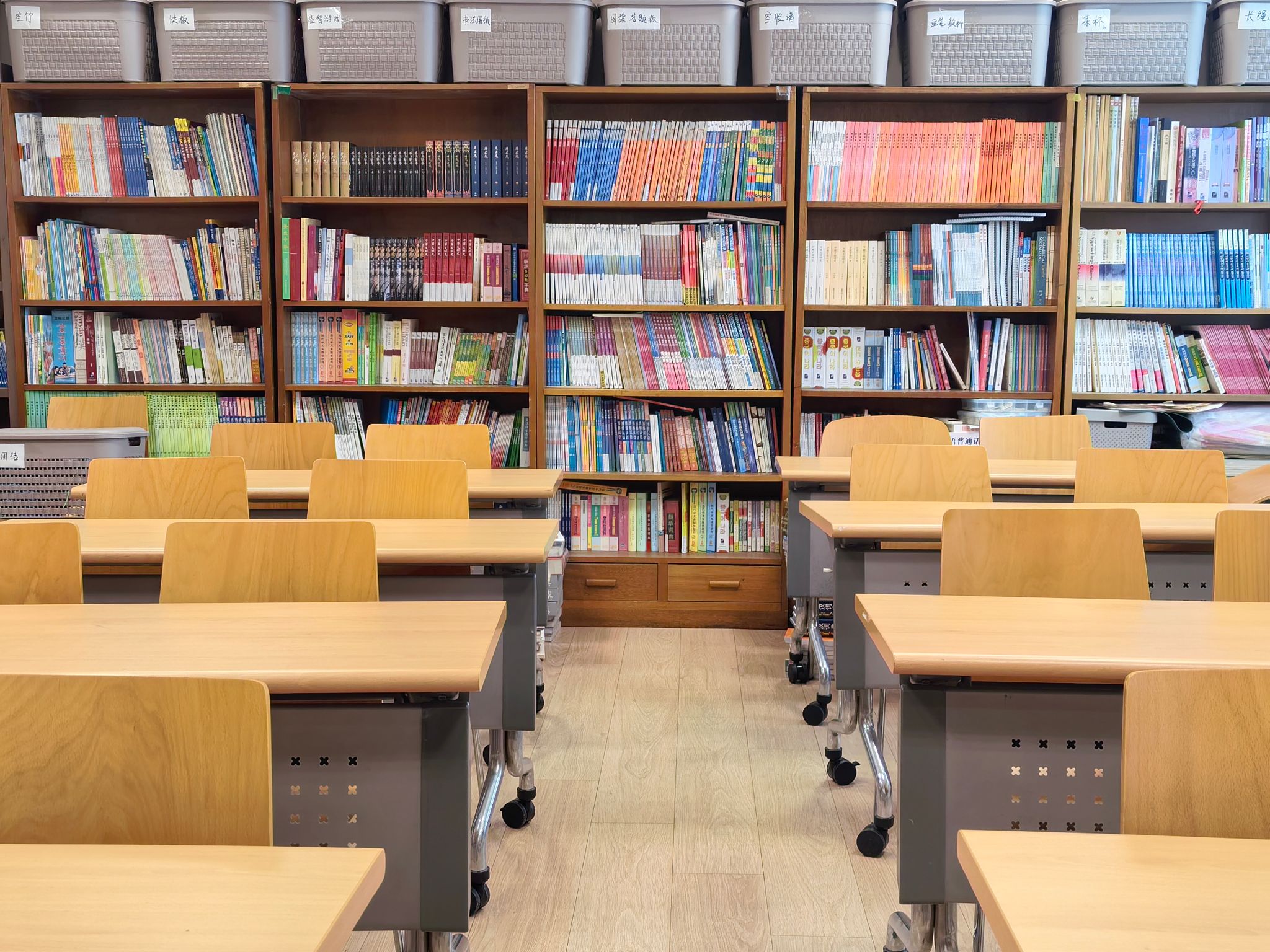
Located in the main building of the HUFS Seoul campus, the Institute is equipped with two dedicated classrooms, a cultural corner, and a reading corner, alongside modern teaching facilities that create a multifunctional space for instruction, independent study, and cultural engagement.
The Institute serves undergraduate and graduate students, HUFS faculty and staff, primary and secondary school students, and the general public in Seoul and the greater Gyeonggi region. It has established itself as an influential platform for international Chinese language education and a key window for China–Korea cultural exchange.
Programs and Activities
Chinese Language Teaching & Examinations
The academic year is divided into four terms: Spring, Fall, Winter Intensive, and Summer Intensive. Spring and Fall terms run for 13 weeks; the intensive terms run for 8 weeks. The Institute offers a full curriculum spanning beginner to advanced levels, including integrated Chinese courses, speaking courses, and reading and writing workshops. Specialized courses include Business Chinese, Film and TV Chinese, Current Affairs Chinese, Advanced Chinese Idioms, Everyday Chinese, and a K-Wave Chinese program with short-term study tours to China. HSK 4–6, HSKK oral proficiency, and dedicated HSK reading and writing preparation courses are offered regularly. From Fall 2024 through Fall 2025, the Institute ran 51 course sections enrolling 432 students.
The Institute conducts HSK, HSKK, and YCT examinations on a regular schedule throughout the year.
Faculty Development & Academic Research
The Institute serves as a training and professional development hub for Chinese language teachers across Seoul and Gyeonggi Province, including locally hired teachers, teachers seconded from China, and Chinese language volunteers. From January 2025, the Institute organized 38 professional development sessions for its teaching staff, covering topics such as international Chinese pedagogy, blended learning, case-based teaching, and AI-assisted instruction. Teaching staff hold weekly planning meetings to co-develop new courses and standardize instructional materials.
In academic publishing, the Institute co-published A Kaleidoscope of Chinese Language and Culture (February 2025) with the HUFS China Studies Institute—a collection of scholarly essays by HUFS faculty covering phonology, lexicology, grammar, rhetoric, dialect studies, and data visualization. The Institute also provides ongoing support for the Journal of Sino-Korean Studies, which published issues 36, 37, and 38 in 2025. The journal, now in its third decade of continuous publication, was formally recognized as a core academic journal by the National Research Foundation of Korea in 2025. Spanning language, literature, culture, politics, and economics, it serves as a leading scholarly platform for China studies in Korea.
Institute teachers have maintained an active research profile alongside their teaching duties. Instructional innovations include Helping Beginners Understand Chinese Film and TV Beyond Their Level, which received an award at the inaugural Korean International Chinese Education Teaching Case Competition. Research articles published in 2025 include contributions to Chinese Language and Literature Studies, Education Evaluation, and Computational Methods in Science and Engineering, reflecting a range of interests from classical Chinese narrative to AI applications in intangible cultural heritage.
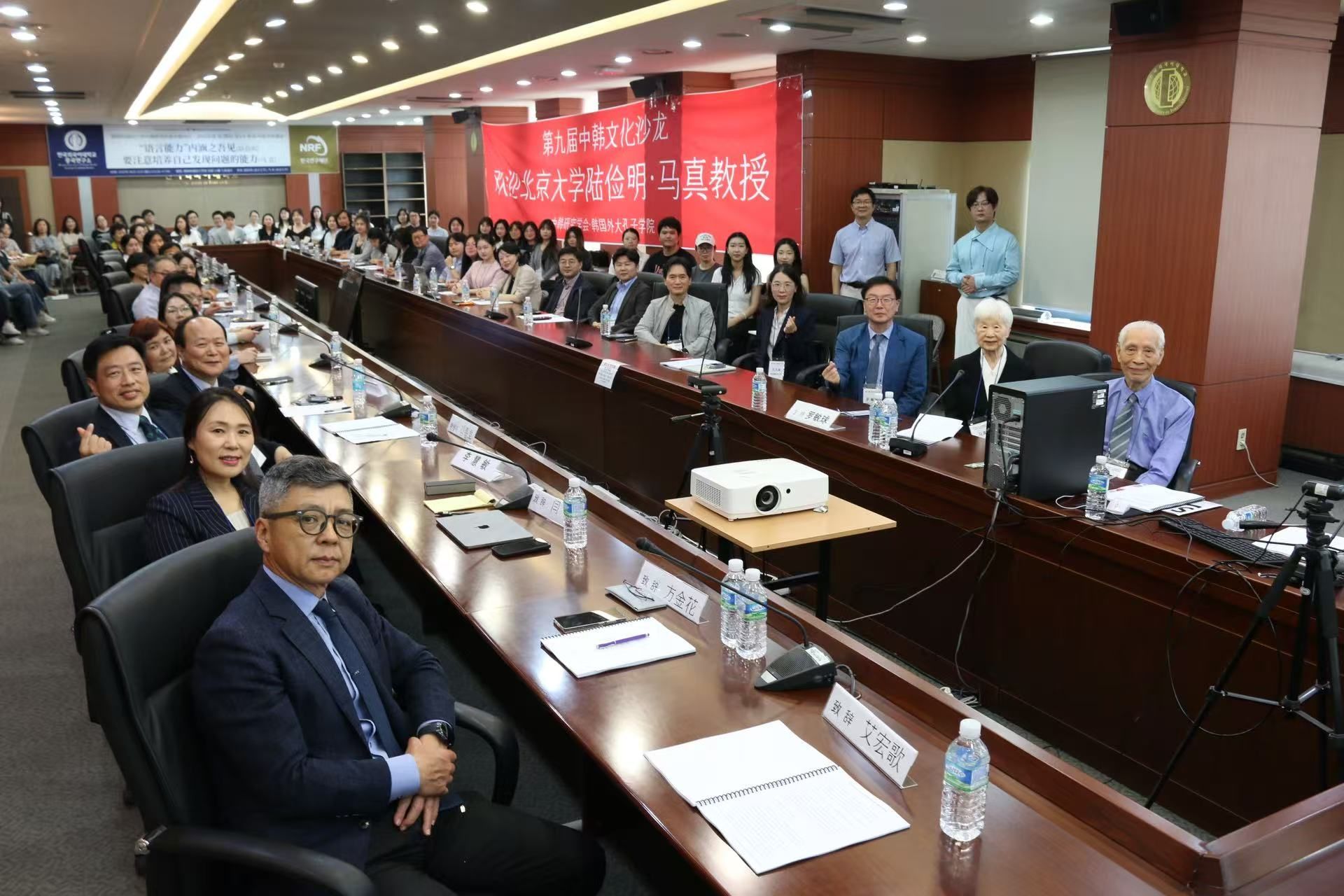
Cultural Programs
The Institute organizes a wide range of cultural events each year, centered on the following signature programs:
International Chinese Language Day is the Institute’s flagship event, drawing over 200 participants from universities, primary and secondary schools, and community organizations. The 2025 event featured cultural performances, intangible heritage demonstrations, tea ceremony, face-painting, paper-cutting, and calligraphy.
Korean High School Chinese Language Competition celebrated its 15th edition in 2025, attracting 40 competitors from multiple cities. The competition has grown into one of the most prominent Chinese language contests for secondary school students in Korea.
Guqin Cultural Gathering integrates guqin performance, kunqu opera, and Korean traditional arts, offering a platform for cross-cultural artistic dialogue.
Film Dubbing Competition engages student audiences through popular film and TV content, strengthening cultural participation and language confidence.
China Painting Exhibition presents the regional diversity of Chinese visual art to Korean audiences.
China–Korea Table Tennis Friendship Tournament (3rd edition, November 2025) brought together more than 40 Chinese and Korean players working and studying in Seoul, providing an informal forum for people-to-people exchange beyond the classroom.
Signature Initiatives
The Institute has developed a distinctive operating model built on three interconnected pillars: Chinese + Culture, Chinese + Sports, and Chinese + Research.
Under Chinese + Culture, language learning is systematically integrated with traditional Chinese cultural experience through a tiered curriculum and recurring event series. Under Chinese + Sports, events such as the annual table tennis tournament explore new modes of engagement that connect language education with athletic exchange. Under Chinese + Research, the Institute leverages HUFS’s China studies infrastructure to advance international Chinese education alongside scholarly inquiry, supporting academic journals, co-publications, and research conferences that have raised the profile of China studies in Korea.
Looking Ahead
The Institute will continue to strengthen its Chinese language curriculum and expand research collaboration with partner institutions. Key priorities include building a higher-level platform for language pedagogy and applied research, deepening the cultural exchange network across Korean educational institutions, and developing more multilayered mechanisms for China–Korea people-to-people engagement. The Institute remains committed to fostering mutual understanding and learning between the two countries.
Contact
Korean Director: CHOI Jae-young
Chinese Director: YAN Dong
Email: kongzi@hufs.ac.kr
Website: www.gongja.ac.kr
Address: Room 220, Main Building, Hankuk University of Foreign Studies, 107 Imun-ro, Dongdaemun-gu, Seoul, Republic of Korea